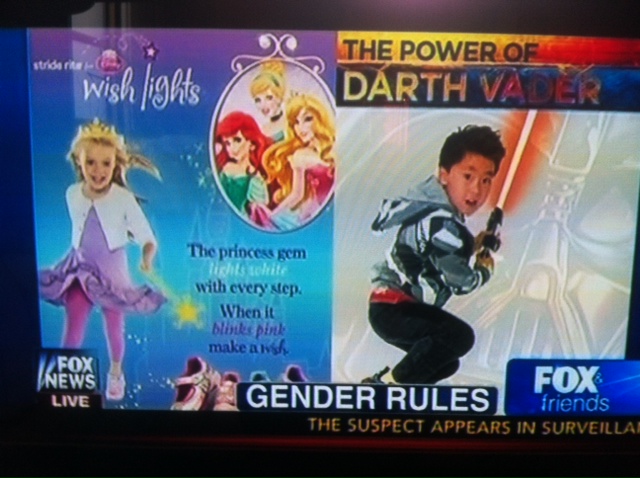
If there’s one really useful thing I’ve learned in my 10 years so far of being a parent, it’s not to pigeonhole my kids. Kids change, and when I assign attributes of a certain stage as if they were permanent personality traits, I can see how it limits them. I get the urge to do this. It’s nice to for a parent to feel like a child has a clear identity. Also, if you have multiple kids, putting them in different categories can smooth things out. Every child has her little box and as a parent, you can work to protect those boundaries for her. Pigeonholing kids can reduce conflict in the short term.
The first way I clearly learned that pigeonholing had a negative effect was with food. Since my kids could eat, I encouraged them to try different foods, that there are no “good” foods or “bad” foods. My kids don’t have to eat broccoli and then get dessert. We don’t even do dessert. They can eat what they want, when they want. There is much writing about this on Reel GIrl, more from when I first started this blog then now, because we are practically food conflict free in our house. The segue is that, because of this philosophy, I never said: “This kid likes pizza, that one likes bagels.” Instead, I told them that their taste buds change all the time, and to keep trying foods, even if they think they don’t like them. I honestly believe, just that, has kept their eating open and flexible. They are risk-takers with food, which may not seem to a big deal for an adult, but it is for a kid.
Obviously, I’m also against pigeonholing because I hate how women are continually fragmented: the smart one or the pretty one. Humans are complex. Pigeonholing them is an a illusion of a simplicity.
Finally, not to get too Buddhist here, but change is the only thing that is real. It’s scary for everyone, but I think it’s much healthier to train kids to embrace it rather than avoid it.
Why I’m writing all this right now is because Princess Free Zone just posted a New York Times article: Mystery of the Missing Woman in Science. It’s great, please read the whole thing, but here’s a quote I love:
And this is true. It’s called brain plasticity. Your brain changes and grows for your whole life, based on your experiences. Your brain grows most rapidly, when you are a kid. The more experiences, the better.