In the Apple TV series ‘Your Friends and Neighbors,’ the protaginist, Coop, played by Jon Hamm is falsely accused of sexual misconduct, he’s fired from his job, chaos ensues.
Here on Reel Girl, we’ve been tracking movies, series, and books where sympathetic male protagonists are falsely accused of sexual misconduct. Here are the series I’ve watched in THE LAST MONTH that depict charges of rape, sexual assault, violence against women, and sexual misconduct manipulated, fabricated, simply made up to manipulate victims. That’s right, the sympathy is with the victims of manipulation. Poor Coop did nothing wrong. He’s a good guy. And as a viewer, our empathy, once again, is directed to the promising man.
When we as a audience, as the public, watch this story of victimhood on repeat, we get trained in real life to look for motives, to distrust stories of sexual misconduct, violence against women, sexual assault, and rape. These stories influence our ability and capacity to believe women, and when we hear stories like Jane Doe saying she was raped by 7 men at Cornell, we have a biased filter that has created our cultural mythology, from the Bible to Greek Mythology to HBO to not believe women.
‘Your Friend and Neighbors’ makes a mockery of all the work women have done for equal rights and protection in the work force. Even the woman who Coop had sex with isn’t the villain in this story, their mutual boss wanted to fire Coop and manipulated the relationship for that end. See how vulnerable women’s rights make us all?
I loved ‘Furious’ and ‘Lucky’ for so many reasons, but both series depict female characters who make up stories about being attacked in order to get sympathy. Even though I’m a fan of these new series, here on ReelGirl, we’re tracking times when we see women tell fake stories of victimhood. As consumers of fictional media—books, movies, series etc— we’re so used to witnessing women lie in the imaginary world, we’re trained to reflexively distrust women’s stories. This bias is a liability that leaks into the real world when we hear women speak out about rape and assault. The characters in Furious and Lucy ARE victims of violence and they also create imaginary instances where they were attacked, the message being we can’t trust them to tell the truth.
In ‘Furious,’ serial killer, Catherine, lies about an abusive boyfriend in order to be admitted to a women’s shelter. In the series, Catherine has a long history of multiple rapes, it’s lazy writing to see her lie for sympathy.
Lucky, played by Anna Taylor Joy, applies make-up so it looks like she has. a black eye, then tells a truck driver that she’s got an abusive boyfriend to convince him to give her a ride.
In real life, most rapists get away their crimes and rarely go to prison. Yet, in our favorite books, movies, and series, we often see a male character who is wrongly accused by a lying woman. When we, as viewers, as readers, have repeated experiences where our empathy is directed to innocent men, how we view reality is filtered through this skewed lens.
Right now, I’m watching Youth on HBO, Sharon Hogan’s new series. She plays Alex, a literary agent, and for the most part I like the show. Like pretty much everything. Hogan does, it’s witty. Alex is the mom of Rauri, an awkward kid who’s in his freshman year at Uni. Rauri leaves school suddenly because he’s ostracized, shamed, and humiliated and called a pervert because he and a girl he likes had a sexual encounter. She regrets the event and has blamed him for it. As a viewer, our empathy is with Rauri and his mom.
Rauri even has a speech about how hard it is to be a male:
“I hate being a man. You have to be strong, but not too strong, ’cause then you’re an alpha. And if you’re an alpha, you’re toxic. And if you’re toxic, just, girls fucking hate you. But if we try and express our feelings, we’re weak and needy. If you send flowers to a girl, we’re just love-bombing her. If we can’t get it up, then we’re broken.”
To me, this sounds like a riff on the famous speech by America Ferrera in the Barbie movie, but it’s made by a white male who does not experience systemic power dynamics of misogyny and sexism! When I heard it, I felt annoyed. And it also seemed like I was supposed to continue to feel empathy for him and for Alex as his mother because her son was suffering.
This scene got me thinking about how many times, as a viewer, as a reader, my empathy is directed to the male protagonist who is so often, it seems, in the fictional world, wrongly accused of sexual assault and rape.
In real life, only 2% of males are wrongly accused. Yet, as consumers of narratives, so many of us are used to rooting for victims of evil women. I’m also watching East of Eden, another series I really like, and feeling so bad for Charles when Cathy seduces his brother. Cathy uses her sexuality to hurt men. Directed by Zoe Kazan, this version presents Cathy not so much as bad seed but a survivor of trauma, in her family and in the wider culture. Kazan has cut the scene from the book where a child Cathy fasley accuses two 14 year old boys of rape.
Please help me track books, series, and movies where sympathetic males are falsely accused of rape. I’d like to focus on white males falsely accused because the misogyny isn’t blended with the racism. In To Kill a Mockingbird, there is a false accusation and in that case, this lie illuminates how black men are treated.
The reason this is important to track is because when we see a case like what’s happening at Cornell, a woman saying she was gang raped, our experience of not trusting the woman has happened so many times to each of us; stories influence everyone, from the Bible to Greek mythology to Steinbeck to…
Just beginning the list to get this up now:
1. Movies
1. The Hunt (2012)
A teacher is falsely accused of sexually abusing a young child. The accusation spreads through his small community, destroying his relationships and reputation. One of the strongest examples of this theme.
2. Atonement (2007)
Robbie Turner is falsely accused of raping a young woman by a girl whose misunderstanding and subsequent lie help destroy his life. Based on Ian McEwan’s novel of the same name.
3. Wild Things (1998)
A high-school guidance counselor is accused of rape by two female students. The plot involves deception and an elaborate scheme, although the counselor is not simply an innocent victim, so this is a complicated example.
4. The Crush (1993)
A teenage girl becomes obsessed with an adult man who rejects her advances and tries to ruin his life, including through a false accusation of sexual misconduct.
6. Freeze Frame (2004)
A man whose life has already been shaped by a wrongful accusation becomes the subject of another accusation of rape. The film explores paranoia, public suspicion, and the struggle to establish innocence.
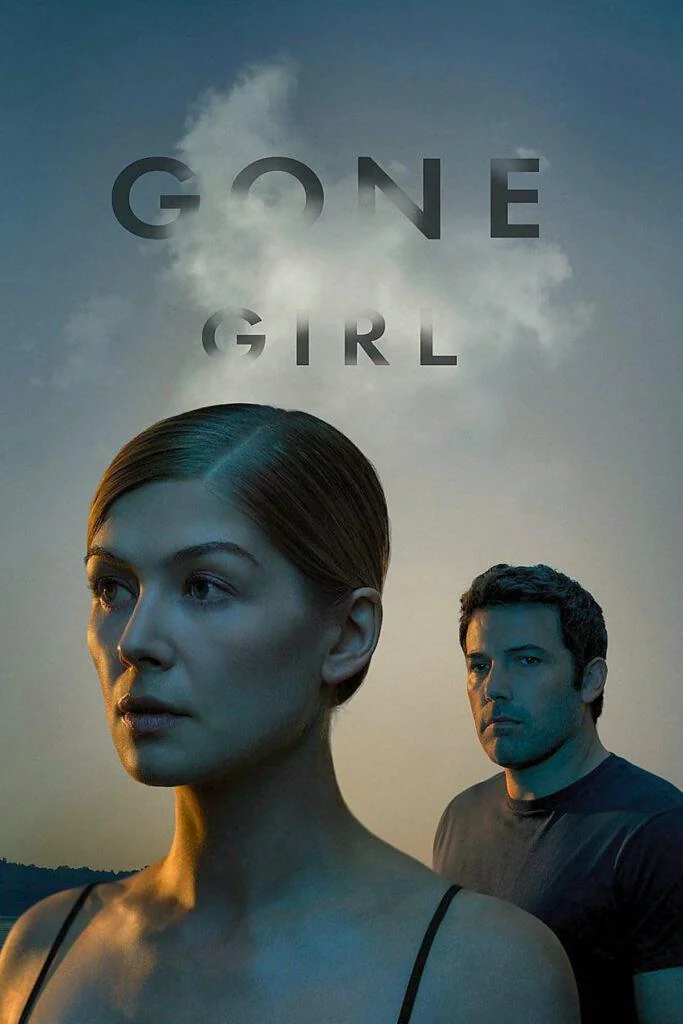
7. Gone Girl (also a book)
Amy Dunne meticulously constructs a false narrative in which she is the victim of her husband, Nick. Her plan includes staging evidence of violence and making it appear that he has murdered her. Earlier in the story, Amy also describes being sexually assaulted by her former boyfriend, Desi Collings. She later kills Desi and stages the scene to make it look as though he raped and imprisoned her.
2. Television series
Lucky
Lucky uses make up to make it look like she has a black eye and then makes up a story about an abusive boyfriend to get a truck driver to help her escape the FBI.
In Furious, Catherine males up a story about an abusive boyfriend to get access to a women’s shelter
In ‘Your Friend and Neighbors’ protagonist, Coop, played by Jon Hamm, is falsely accused of sexual misconduct and gets fired from his job, life ruined.
When your child is complaining about something you did, perhaps you were late to pick her up (there was horrible traffic), something you said embarrassed her (you just wanted to stick up for her), or you made her take music lessons ten years ago (you thought she’d be grateful), and you want so badly to respond, “I tried my best!” I invite you to pause instead.
When you say “I tried my best” to your child, the subtext is: Give me empathy. You’re shifting the conversation from her inner world to yours and centering yourself.
Yes, you tried your best and she suffered. Both are true.
You don’t have to agree with your child’s interpretation. You don’t have to decide you did something wrong. You don’t have to abandon your own needs. You’re asking yourself: Do I have the capacity to listen to my child’s experience right now? To center her?
Because of the inherent power dynamic between parent and child, when you choose to show up for your kid with curiosity, openness, and compassion instead of immediately defending yourself, you give her real-life experience that her needs matter. She experiences her inner world is valuable and important. You can help meet her needs for authenticity, safety, and belonging. This kind of consistent coregulation gives her a foundation for navigating relationships and choices throughout her life.
In Nonviolent Communication (NVC), everyone’s needs matter.
So what about your inner world? What about your needs to matter, to be seen, heard, understood, appreciated, respected, and to experience shared reality?
I invite you to find strategies to meet your beautiful needs that don’t ask your child to take care of your emotional experience. Maybe talk to a friend, a therapist, a coach, or your partner, go for a walk or write in a journal. What resources you? Pursue that. And maybe, at some point, sharing your why, your intention, with your kid will be appropriate. But hopefully, that’s a time you consciously choose, after you’ve made room for her pain, with her consent to hear.
To learn more about Nonviolent Communication and my parent coaching, please visit my site Listen2Connect
When my teen daughter refused to go to school, I was shocked and terrified. Most mornings, she refused to get out of bed. On the rare days when she agreed to get in the car, I’d drive her to school, drop her off right out front, watch her go inside the door, and I’d still hear from the school that she never showed up for class.
My husband and I yelled at her, we threatened her with all kinds of consequences. We grounded her, we took her phone away. We told her what would happen if she didn’t graduate high school: she’d never get a job, she’d be homeless. We started family therapy, but she wouldn’t show up for sessions. She wouldn’t show up for her orthodontist appointments or tutoring. I had two other kids who managed to make it to school every day. I couldn’t understand what was wrong.
My husband and I received letters that we were breaking the law in California by my daughter’s truancy and we could face consequences including criminal penalties. I’m guessing that law was created as an attempt to hold parents accountable for their children’s behavior, to prevent neglect but I can’t really see how that strategy would be effective. School refusal is deep, complicated behavior and trying to threaten parents into “fixing it” is as useless as me telling my daughter she was going to be homeless.
My family is pretty much the opposite of first-generation college students. We’re more like fourth-generation Ivy League. It never occurred to me that my daughter wouldn’t go to college, not to mention high school. The next years of our lives involved me looking deeply at, and questioning, my own views about what “success” is and what “safety” is. Have you heard that story about the two young fish who are swimming along and the older fish swims by them and says, “Hey boys, isn’t the water great today?” (always “boys” as told to me) and the young fish says to the other, “What’s water?”
So much of my family’s recovery—and it is our whole family as a system, not only my daughter—has been my husband and me, slowly, painfully, recognizing the water we swim in. I couldn’t see the system because I was so entrenched in it. My daughter is thriving now, but key to her health was me learning how to listen to her and not tell her what to do. Traditional school did not work for her. She got her GED and then community college and now she’s looking into how she wants, if she wants, to finish up. I’m following her lead.
Over the years, my daughter had access to all kinds of mental health treatment including wilderness therapy, residential therapy, dialectical behavioral therapy, cognitive behavioral therapy, family therapy, hospital stays, psychiatry, and a seemingly endless rotation of medications. I realize how “privileged” we are that she had this kind of “support.” Other kids with the same behaviors—school refusal, drug use, stealing—with fewer resources would’ve ended up in the criminal justice system. But our family story can’t be simplified into criminal justice system bad, mental health system good. In many ways, my daughter’s treatment made things worse, got her sicker, and listening to so many experts, I lost touch with my own intuition.
The modality that transformed our family is Nonviolent Communication. My husband and I learned how to actually listen to my daughter. Nonviolent Communication teaches that feelings point to needs and all human behavior is motivated by an attempt to meet these needs. With an NVC lens, my daughter’s behaviors of school refusal, stealing, and drug abuse were adaptive strategies to meet needs including needs for safety, autonomy, mattering, and belonging. NVC teaches that most people get into conflict over strategies, not needs. When you get in touch with needs, it’s easier to access compassion for yourself and others, and to come up with new, creative, collaborative strategies to meet those needs. (I posted Kids Speak in Metaphor—Can Parents Listen for What Matters? with more detail about how I started to slowly learn listen to my daughter, and I’m still learning.)
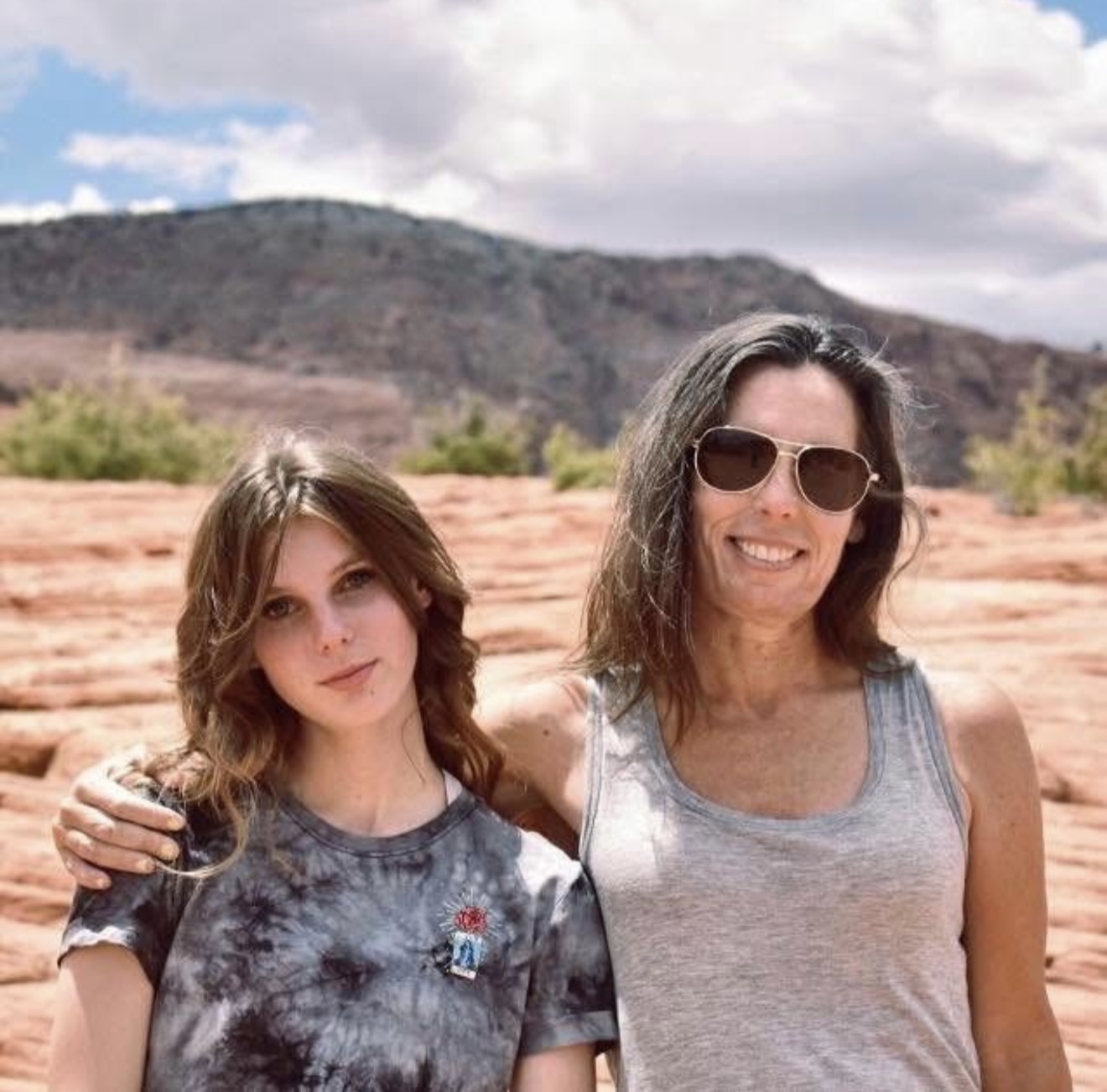
In the video linked above that my daughter and I made yesterday, she says:
“I’m definitely very ADHD, so it was sort of an impossible, miserable, and physically painful task to be expected to be expected to sit and write for 8 hours a day. I never felt like I couldn’t keep up with school workwise but it was a totally miserable experience, and there were so many things in my mind that I would rather do or I thought would benefit me more.”
She also says:
“I didn’t really enjoy being a teenager that much or even like, a kid. I didn’t really like being told what to do and there’s like an inherent power imbalance with a parent and a child and I think that was just hard for me to deal with. I was just a very spirited child, very free-willed so I think I thrive a lot more as an adult, just in general, every aspect of it, having my own apartment, being able to decide what to do with time, not having to show up for school and sit down for 8 hours a day.”
One strategy that “worked” for my daughter was pursuing her GED. Another is online school. Underlying all of these strategies in my role is my priority to connect instead of fix. I can’t fix. With that stunning realization, again and again, over the years and still today, because I forget and then remember and then forget, comes so much grief, hope, humility, openness, clarity, creativity, growth, and joy.
If you want to learn more about NVC, go to my site, there are free resources including Feelings and Needs lists
On Reel Girl, I’ve been blogging for years about raising my kids as intuitive eaters so now we have archive of something I think is pretty rare: a record of what it was like to bring up daughters with no eating disorders. Now my kids are 22, 19, and 17. Check out this video as the latest exploration about often misguided (but not always) attempts to be “safe” and “successful” and “healthy” as a female living in a patriarchy.
Are mental health diagnoses at a young age illuminating, making way for clarity, effective medication, community, and treatment or pathologizing in a way that pigeonholes kids and keeps them stigmatized and stuck? My daughter and I talk about her “emergent borderline traits,” other diagnoses, and her healing journey on my new YouTube channel.
To learn more about our family’s story, subscribe to the channel to see future videos, and read an earlier Reel Girl post about the modality that transformed our family dynamic Kids Speak in Metaphor—Can Parents Learn How to Listen? You can also go to my site Listen2ConnectCoach.com, the About page and the Media page. To learn more about Nonviolent Communication specifically and download free Feelings and Needs lists, try the resources page.
“Patriarchy encourages women to become mothers, then abandons them.
Through isolation, overwork, lack of childcare, lack of parental leave, lack of healthcare, and through lack of real community support.”
I would add to this: lack of reproductive rights, the wage gap, and access to quality education. I could go on…
Bethany writes:
“Patriarchy sets mothers up to fail and then blames them for the suffering it created. All of this limits a mother’s capacity to show up in the ways she may have wanted to.”
So when I speak about the Mother Wound, many women get reactive and tell me:
“You’re just blaming mothers.” “You’re putting even more on women.”
And I understand why it can feel that way.
But here is where I see it differently.
When we only position mothers as passive victims of the system, we unintentionally strip them of their power.
Mothers are not ONLY victims of patriarchy. Mothers are ALSO participants within the system—and therefore have the capacity to interrupt it.
Mothers are extraordinarily powerful, precisely because they are formative.
And recognizing their formative role is not equivalent to blaming them.
It’s about responsibility in the truest sense: the ability to respond differently.
This critical nuance is the core of my work and is often misunderstood.
Not every woman is a mother. But every woman is a daughter.
And the work of healing begins there.
When a woman becomes more conscious of:
what she herself received and missed from her own mother
how she adapted to patriarchal norms in her own family
and what she now chooses to carry forward
She begins to break the cycle with her own children.
This is not about being hard on yourself or trying to be the perfect mother.
It’s about awareness, honesty, and a willingness to do what your own caregivers could not.
I’m not saying this is easy work.
The truth is, not everyone is ready for it.
But this is where change happens.”
I’ve had coaching from Bethany, and she’s been instrumental in helping me find my inner mother. I’ve also trained in Nonviolent Communication (NVC) to learn the skills to emotionally regulate and show up with presence, curiosity, and compassion for myself, my partner and my kids. Basically, figuring out how can I be resourced enough to be as healthy a mom and person as possible while living in the patriarchy that degrades my values and doesn’t support my well-being.
Nonviolent Communication, created by clinical psychologist Marshall Rosenberg, teaches that all human behavior is motivated by an attempt to meet universal human needs. Feelings are clues pointing to those needs. NVC teaches how to to express these needs honestly while staying connected to the humanity of others, which basically means not creating “enemy images,” remembering that everyone has needs and everyone’s needs matter.
So, for example, say I go into my daughter’s room and it’s a mess. Maybe I’ve asked her to clean it, and instead I see her lying in her bed, looking at her phone.
How do I feel when I walk into this scene? Probably frustrated and irritated. My underlying needs could be: order, beauty, and maybe respect or consideration.
Before learning NVC, I might have yelled at my kid, something like: “What are you doing? Get up! Clean your room!” Maybe I would’ve added a threat: “If you don’t, you’re not going out.”
I might have gotten compliance from her. She may have rolled her eyes, gotten defensive, she may have yelled back. Most likely any motivation would come from fear about a consequence or from wanting to please me, a fear of disconnection, maybe a feeling of shame and a need for acceptance. It’s doubtful she would have met or recognized any intrinsic motivation, any desire to care for her space, what she wants and how to make that happen as far as the state of her room. And without being motivated in this deep way, the whole cycle is likely to repeat: my daughter dependent on me, yelling and threatening.
Now, if I find myself in this scenario, the first thing I do is offer myself compassion for the pain of my unmet needs. My needs matter, totally separate from hers.
When I see her messy room and my daughter in her bed, I might quietly say something like “Ouch,” and put my hand on my heart.
I do whatever I need to do to regulate—maybe I leave the room and come back minutes or hours later. Timing is everything. I love the phrase: “Strike when the iron is cold.” I rarely talk to my kids now if I’m activated. After I’ve soothed myself, I turn with curiosity in my imagination, to my daughter. Rather than thinking about what she’s saying no to, I wonder: What is she saying yes to? How might she be feeling—tired, overwhelmed? What needs might be alive in her—ease, comfort, rest?
When I’m in that “NVC consciousness,” if I still want to talk to her, I go ask her if she’s in a place to talk to me. I might go back in her room, sit next to her on her bed, and gently rub her head.
“Hey honey, how are you?”
“Tired.”
“Yeah, that makes sense. You’ve been busy.”
“Yes.”
“You just feel like resting.”
“I could sleep forever.”
“I get it. Is this an OK time to talk about your room?”
She sighs. “I guess.”
“When I see the clothes on the floor, I feel kind of annoyed and anxious. I got you those clothes, and I feel sad when I don’t see them not taken care of the way I wish they were. I’m also thinking about the washing machine—when the laundry piles up like this, it makes it hard for everyone else to get a turn to use it. Does that make sense?”
“Yes, I see that.”
“I’m wondering if you have any ideas about how to take care of your clothes in a way that works for everyone in the family?”
“Yeah, I could do a load later today.”
“That would be helpful, thank you. Any other ideas?”
“While I’m doing a load, I can clean my room.”
“That would be great. Thank you for thinking about this.”
“Sure, I like it when my room is clean. I get it.”
“I love you.”
“I love you.”
My priority is connection with my kids—and my long-term goal is helping them feel safe and supported so they can learn how to emotionally regulate. Whether or not my daughter cleans her room is secondary.
Before I learned NVC, I was a “power-over” parent. I thought my job was to teach my three kids to be “good” and “successful” by obeying my wise and smart rules.
When my oldest daughter struggled with behavioral health challenges, everything changed. I realized I didn’t actually know what was best for her all the time. I realized she was a different person that me with her own feelings and needs. I know this may seem obvious, but somehow, I really thought, just like my reflex reaction to my youngest kid’s room, that I know best how and when everything in their life should be done.
When I learned NVC, I realized I’m not the ultimate authority on all things, the teller of truth, God, as patriarchy would have me believe in that there is always a power over another person or thing. With NVC, I learned how to actually listen to my kids, to meet them where they were instead of where I thought they should be.
So many of the rules and expectations I had internalized—compliance, obedience, rewards, external validation—were rooted in patriarchal values, not in fulfillment, joy, or creativity.
And just to avoid turning this into a binary: all three of my kids are actually more “successful” (I think all human are) when they are intrinsically motivated—when they are living authentically, recognizing their deeper needs, and making choices from that place.
That’s the kind of success I care about now.
To learn more about my daughter’s mental health challenges and NVC, read this post and go to Listen2ConnectCoach.com To download free NVC Feelings and Needs lists, go to https://listen2connectcoach.com/resources
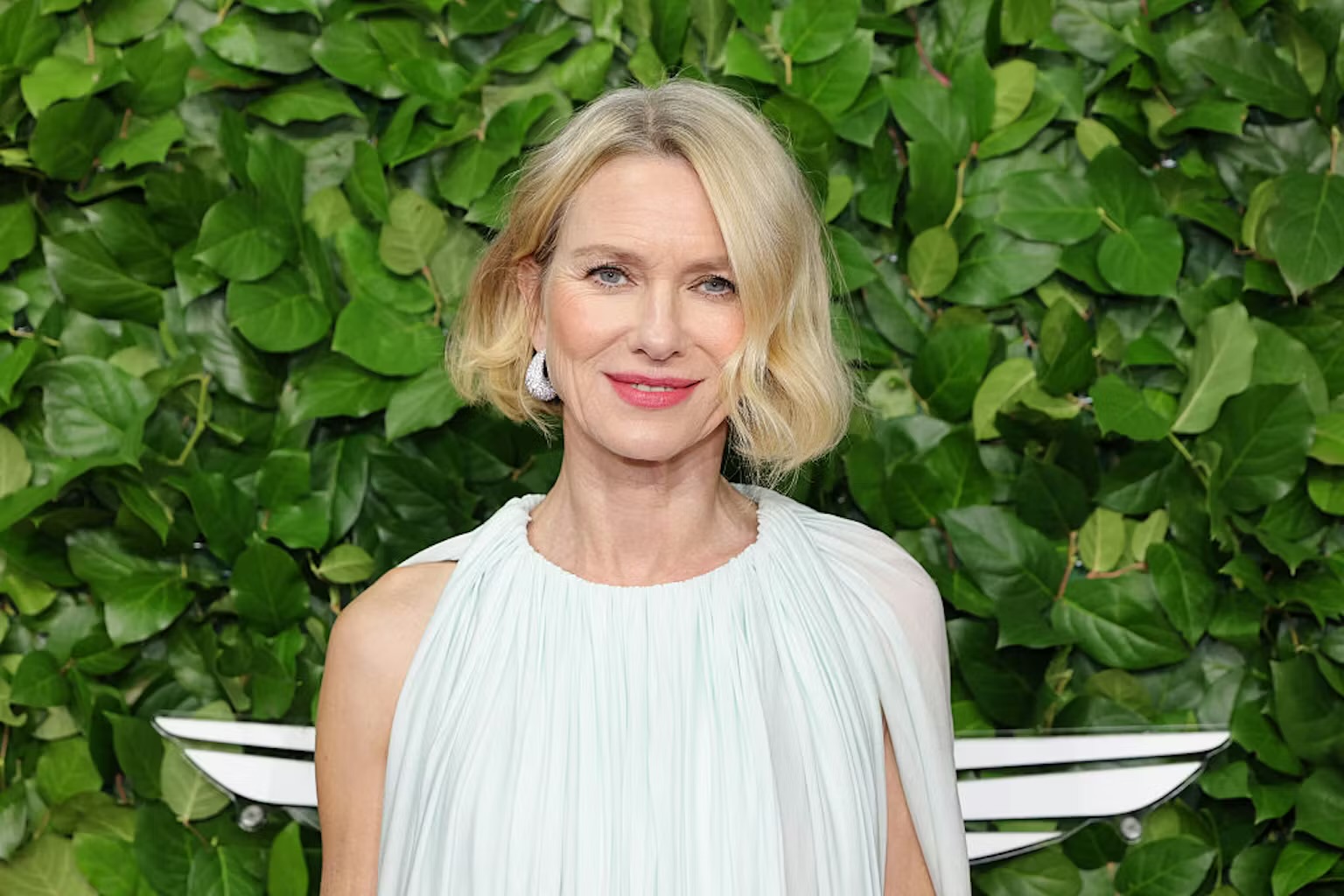
In a recent interview, when actress Naomi Watts said “Tolerate my jowls,” she made clear it’s not her job to surgically alter her face so you don’t feel uncomfortable. If her face stimulates pain for you, learn how to regulate. You feelings are not her problem. Naomi Watts is #unfawning.
I’ve been posting a lot about Ingrid Clayton’s new book and how she prefers the term fawning to codependency or people-pleasing, because when we “connect to protect” it’s often not a conscious choice but a trauma response, a nervous system reaction. Psychologist Pete Walker describes fawning as “a response to threat by becoming more appealing to the threat.”
I was thinking about how when women are young— especially when they are white and a weight preferable to the patriarchy— their bodies, to some degree, can’t help but “fawn.” Their bodies fit so perfectly into the system that rewards female compliance.
I posted a Tik Tok video about how my face, as a 57 year old woman, like Naomi, is no longer fawning. Even if a woman decides to take a path different from my own or Naomi’s, her body, on some level, is going to rebel: 57 isn’t the same as 27.
So far, that shift to #unfawning, has been disorienting and confusing to some degree, all changes are like that, but it’s also been incredibly liberating. And that part of the story seems to be, too often left out. That erasure feels like more fawning.
I can’t recall ever being so clearly in a situation where my body simply, repeatedly says: “No, I won’t do it. I won’t conform to that standard, even though, I know you believe that would make your life easier and safer.”
And surprise, my life is easier and safer #unfawning. I don’t miss men catcalling me. Why was I supposed to miss that?
Even though my body is older and supposedly less strong—debatable, I no longer smoke a pack of Marlboro Reds or drink alcohol—I feel so much safer waking down the street, just being in the world feels calmer. I don’t miss the free drinks or free food that were never really free. My body knew that too.
I think maybe the scariest thing about getting older, is when you’re young and you keep getting warned in so many ways how horrible and terrifying it’s going to be. I think that fear is one of the most powerful factors to keep women control. What if getting older isn’t something to be afraid of? What if it is, in fact, joyful?
On the day after the 98th Academy Awards, to celebrate and honor your long and significant contribution to American cinema, I’m going to give you some free advice.
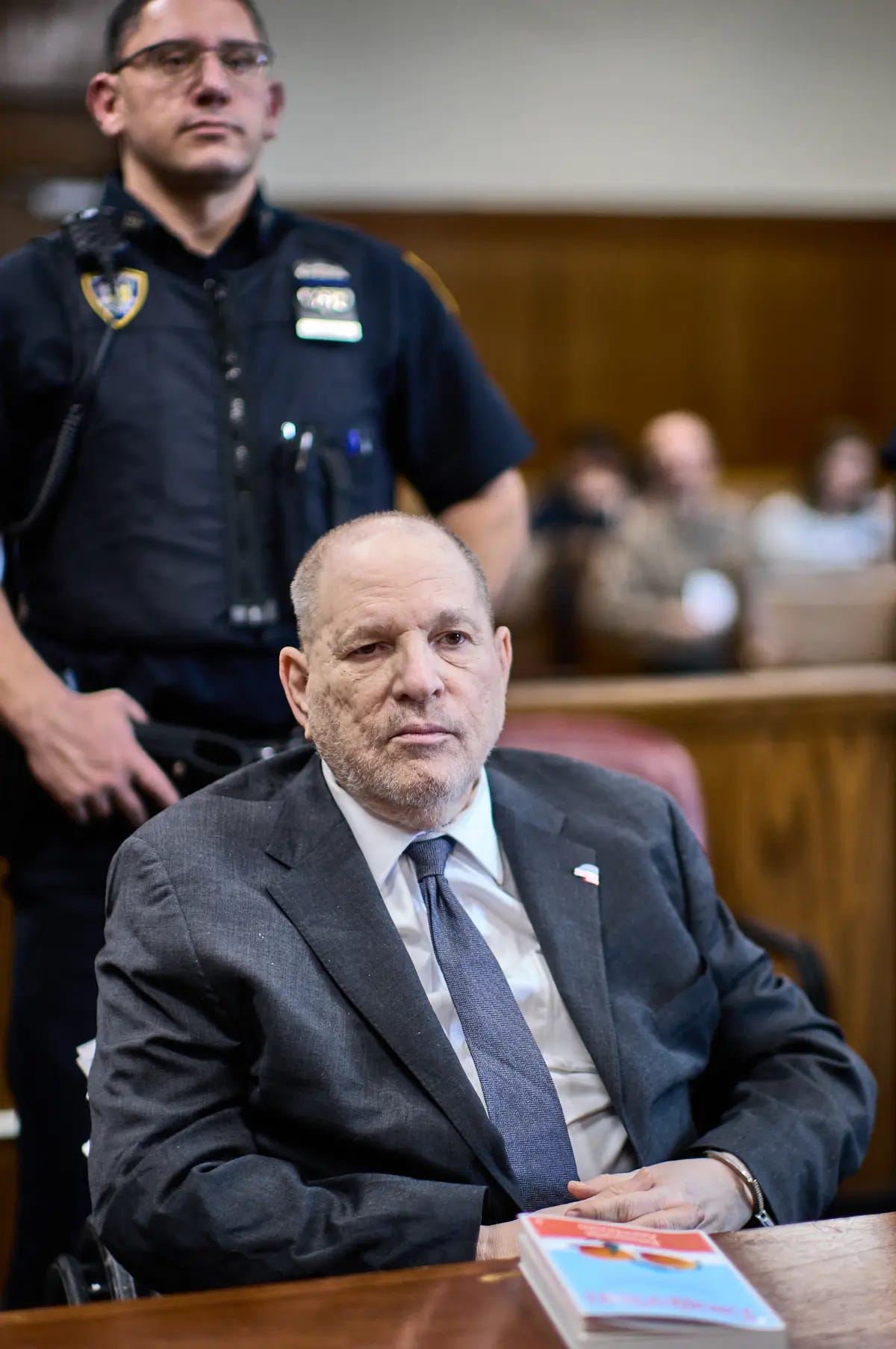
In spite of being accused of sexual harassment by more than 100 women, you’ve appealed your conviction and are up for a retrial in New York next month. I don’t want you to blow it, but I read a recent interview with you in The Hollywood Reporter, and I’m a bit concerned. I’m worried that it’ll be super clear to the jury that, in spite of years of incarceration, you still seem to lack the understanding that women are human beings with their own thoughts, feelings, and experiences.
In the interview, you’re quoted saying: “Paltrow made a big deal out of nothing.” You added: “She wanted to be part of the crowd.” Rose McGowan, Rosanna Arquette, and Angelina Jolie all “wanted to be victims. They wanted to be part of the club — they just exaggerated.”
I totally get your points. Being a victim is so fun, what woman wouldn’t crave that kind of attention? Before you came around, Gwyneth probably felt left out. Now she’s got a whole community of other women who’ve been harassed. Who provided that for her? You did!
Not only did you get Gwyneth access to an exclusive club, your interaction was pleasant. You said in the interview: “I walked out of a nice meeting with her and said, ‘How about a massage?’ And she just went, ‘No, I don’t think so.’ I got the message. I never put my hands on her… She told Brad Pitt. Brad Pitt came to me and said, ‘Don’t do anything like that with my girl.’ I said, ‘Don’t worry, Brad. I got it.’”
Again, Harvey, I hear you. You thought a massage would be a great way to finish the meeting. That makes so much sense. I’m guessing you felt angry, frustrated, and confused that Gwyneth went and complained to Brad? In Nonviolent Communication, we teach people to focus on what they’re feeling, identify the universal needs underneath those feelings, and learn how to express that honestly while staying connected to the humanity of others. I’m guessing your interaction with Gwyneth didn’t meet your needs for respect, comfort, and ease. Is that right?
Here’s the problem, Harvey: Even if you weren’t, in fact, hoping to harass, assault, or rape Gwyneth Paltrow, even if the events described by more than 100 other women had nothing to do with your intention, the impact of your actions still matters.
A concept I explore with clients is the difference between impact and intention. Please read this carefully, Harvey. I charge $225 a session, but today, you get a freebie.
Sometimes we might do something that, as far as we’re concerned, is completely innocuous, perhaps even well-intentioned. But here’s the rub: the receiver of our actions might nonetheless experience a significantly painful impact. That impact matters.
Many times, a person wants to be seen for his intention and has a hard time acknowledging or being with the impact of the receiver’s pain. That person will often say something like: “If you knew my intention, you wouldn’t be in pain.” Or “I meant yada-yada-yada, so you shouldn’t feel any pain.”
The pain of the impact can be marginally related to the intention of the actor. The pain can be connected to a larger, often repeated, experience.
Does that make sense, Harvey? As a woman living in a patriarchy, Gwyneth Paltrow — and Angelina, Rose, Rosanna, and those 100+ other women — like most females on planet Earth, have experienced being hit on by aggressive men and react to that trauma by fighting, fleeing, freezing, or fawning to stay safe.
When you and Gwyneth met, there was a power dynamic: you were an older man who ran a major Hollywood studio, and she was a young actress who wanted to build a career.
The challenge for you now, Harvey, is that you don’t seem mildly interested or remotely curious about what women experienced, in their own minds, hearts, and nervous systems when they heard you say: “How about a massage?”
In NVC coaching, when someone tells you about their pain, you practice listening to them with curiosity, compassion, and respect. You hear how your actions, regardless of your intention, might fit into a larger life pattern — in this case, you’d most likely be asked to consider how a system of sexism and misogyny, often enforced by violence, contributed to Gwyneth’s fear and anger when you suggested a massage. When you listen to another person’s story with this kind of care, you become open to learning, growing, and changing.
My concern for you and the April trial is that your recent statements suggest you don’t understand that another person can have a valid reaction separate and different from your own. My concern for you is that you have the emotional maturity of a sociopath.
In NVC, we teach that all human behavior is motivated by an attempt to meet needs. We’ve already made some guesses about your needs, but do you think you could imagine that other humans, besides you, and again, I know this is weird, but even women, also have their own feelings and needs?
Before your trail, do you think you could give another interview where you imply you really get this or maybe read a statement, here’s a draft:
“After my years of incarceration, I understand so much more about power dynamics and what it must be like for women to live in a patriarchy. And while I thought all of these actresses would enjoy me walking around naked and demanding sex, I now understand that was incredibly painful and scary for them. I realize my total failure to see that women are separate human beings. I’m so sorry for this lack of consciousness. I see how even #NotAllMen makes no sense because we all live in a patriarchy, we’re all influenced by it, and the best thing we can all do is try to listen and value the experience of women with respect, compassion, and curiosity.”
Something like that, Harvey.
Because if the jury hears the version you’re telling now, I’m afraid you may end up needing a lot more NVC training, and unfortunately, my schedule is pretty full helping women recover from men like you.
In NVC, there are 2 styles of communication symbolized by animal metaphors. The giraffe, more empathic, and the jackal, more critical. My jackal wrote this letter to Harvey. What do you think her feelings and needs are? Download free lists of NVC Feelings and Needs here. If you want to learn more about Nonviolent Communication or my parent coaching visit listen2connectcoach.com or follow me on Instagram @listen2connectcoach or on Tik Tok @reelgirl reviews.