Bay Area’s Camp Reel Stories teaches girls to make movies

Last year, Esther Pearl and Zoe Boxer founded Camp Reel Stories, a media camp in the Bay Area for girls ages 13 – 18. Excited by the concept and curious about how the camp helps girls turn big dreams into practical action, I interviewed Pearl. Her responses are below. I cannot wait until my kids are old enough to experience this magical place.

What inspired you to found Camp Reel Stories?


I have worked in film and media production for 15 years, and though I really loved my work I was often disappointed in the lack of female characters on the projects I worked on and how few female colleagues I had.  When I became a parent to a little girl I dug deeper into this inequity and what I found was astonishing.


From 2006 to 2009, not one female character was depicted in G-rated family films in the field of medical science, law, politics, or as a business leader. In these films, 80.5% of all working characters are male and 19.5% are female, which is a contrast to real world statistics, where women comprise 50% of the workforce[1]. Even more staggering is the fact that this ratio, as seen in family films, is the same as it was in 1946. These statistics are enormously detrimental to young women’s impressions of themselves and their perceived value in the world. While this is disheartening, this also means there is a vast untapped market for both talent and products that represent the diversity of our society.


I look at this as a great opportunity to create change in not only the lack of equity in the industry, but a creative opportunity to create new filmmakers and producers that are excited about creating characters and storylines that interest them.

My partner and I created Camp Reel Stories (CRS) as a fun way to connect young women with professional mentors, give them story telling and production skills to tell stories that reflect their unique point of view, while incorporating media literacy and leadership workshops. CRS believes that when women and girls are better reflected behind the scenes they will be better reflected on the screen. 

What do you teach the girls during the sessions? What do you think they get out of their time at the camp?


Our campers get a lot!  They learn filmmaking and production from leaders in the field, they take media literacy and leadership workshops. The girls work in small teams and have an adult producer that guides them the process and in just one week they write, shoot and edit a short film.  Last year we had six films completed and this year we will have even more! They also have the collaboration and creative skill building process mirrored for them as they see they professional mentors work together to create not only great short films, but a fun camp experience.

How many campers attend?

In 2013 we held our inaugural camp and we had 32 campers.  This year we will have 2 summer camps and can take up to 90 girls, and those spaces are filling fast.  You can apply at http://campreelstories.com/apply

What do the alumni go on to do?

Thus far we have 50% of of campers signed up again this year.  We have elected 2 student board members from our first cohort to the CRS board to help grow our organization.  Two of CRS films were accepted into a local film festival and were screened for a huge audience just this past Friday night and other festivals have asked me to submit their work.  100% of attendees surveyed from the CRS pilot camp said through CRS they learned how gender equity in the media affects the way women are perceived in the media, 85% now view the media more critically and 92% felt more comfortable in their leadership ability, felt their skills as filmmakers improved and plan to continue making films. 20% of our campers have made changes or created an educational plan for a career in the media.


Also many of our campers have used what they learned in camp to speak to their classes and schools about gender inequity in the media, sharing knowledge about the Bechdel test and to organize screenings of films with strong female characters.

What are some examples of media that you think promotes positive images or girls and women?

This is a tough one, because as an adult and a parent of young children I have a different lens than our campers about what a positive image is.  The media has made it harder and harder to decipher between a celebrity and a role model.  This is something I talk about a lot with my own kids and with our campers.  There is a difference between a Kardashian and an actress, it’s important to acknowledge that.

Personally I have seen a lot of films that have really interesting characters and relationships that wouldn’t always be appropriate for a younger audience and I like complicated characters.  Recently I saw and loved, Enough Said, Short Term 12, The Bling Ring, Philomena and Frances Ha.

With my daughter and son I find it so hard to find interesting characters in films that we all can enjoy.  We all really like the Miyazaki films and we are introducing films from awhile ago since the pickings are slim currently.  Some of those are Bend it like Beckham, Black Stallion, Mary Poppins. And everyone loved Brave and Despicable Me.

The campers also seem to be able to access to Netflix, Hulu and other online resources to search out media that they can relate to.  I was surprised that so many teenagers were familiar with some 80 and 90s classics, such as Breakfast Club, Harold and Maude, Amelie since they can’t find a lot of current media they can relate to.

What do you do during the rest of the year? Do you plan to expand? What are your goals for the camp?

The rest of the year is spent planning the future of Camp Reel Stories.  This year we will triple in size, we will offer 2 summer camps and an afterschool program in the fall. 40% of our campers are on financial aid so I am always fundraising to make sure that anyone that wants to attend can. The films from last year have been entered in several film festivals and now are being selected and screened.  I also try to collaborate with as many like minded organizations as possible.

We hope to offer camps in other locations the just the Bay Area in 2015 and we are researching those opportunities now.

What is a typical day at camp like?

Each day is a little different, but we incorporate icebreaking and leadership activities into every morning.  The girls are on an accelerated schedule, so they have to get to know one another AND learn filmmaking quickly so that they can get to creating their films.  Everyday they learn about some part of the creative process and immediately get hands on experience in that area.  On Monday morning 30-40 girls who don’t know one another walk into a room, but the end of the day the have formed a small team and have an idea of what they want to make. That process is impressive and we are amazed at how quickly the girls can set aside their differences to get on to the creative process.

Tuesday they learn storyboarding, audio and video and work with their team to finalize their story.  They also take a media literacy workshop so that they can see the direct correlation to the lack of representation both behind and in front of the camera. Wednesday they shoot, Thursday they learn to edit, and they edit a rough cut of their project and then at the end of the day show it to their fellow campers and get creative feedback.  Friday they fix, by either reshooting or reediting, anything that they want and on Saturday they screen it at a Camp Reel Stories film festival which 250 people attend.

It is amazing to see these young women come out of their shell in the course of the week and I can’t wait to see what this year brings.  We are restructuring a bit since we got requests for both more time to shoot and more media literacy.

It sounds like a lot of work, but we also have a lot of fun. In the end we are so proud of the work that the campers have done and the community created, not only with the campers, but with our volunteers, professional mentors and families.  It’s quite exciting to see everyone fired up to create media that is more interesting and reflects the diverse fabric of our lives.


Visit Camp Reel Stories here.


[1] http://www.seejane.org/research

All facts are supported by research conducted by Dr. Stacy Smith, Ph.D. at the USC Annenberg School for Communication & Journalism

Woody Allen’s op-ed shows disregard for child abuse

When I heard that The New York Times was going to publish an op-ed by Woody Allen refuting Dyan Farrow’s account of his sexual abuse, I thought he would write about how serious child abuse is and that he had been wrongly accused of this terrible crime. Instead, he uses his word count to trivialize sex abuse, repeatedly implying that any rational person ought to automatically believe his story of innocence. Otherwise, Allen uses his word count to go off on tangents characterizing Farrow as a vindictive and scorned woman.

In one of many attacks on Farrow, referring to Justice Wilk’s opinion about his relationship with Soon-Yi, Allen writes:

He thought of me as an older man exploiting a much younger woman, which outraged Mia as improper despite the fact she had dated a much older Frank Sinatra when she was 19.


So Allen’s point is that Mia is a liar and hypocrite because she also had an experience with a much older man? Could it be that she knows, first hand, about power imbalance? Obviously, Woody still sees nothing wrong with the relationship.

For his entire op-ed, Allen writes nothing to indicate that he gets child abuse is epidemic. Here’s his opening sentence:

TWENTY-ONE years ago, when I first heard Mia Farrow had accused me of child molestation, I found the idea so ludicrous I didn’t give it a second thought.


Accusations of child molestation are not “ludicrous” and actually do deserve “a second thought.” It’s disturbing that Allen just assumes the charge is no big deal and thinks that everyone ought to know how idiotic such a claim is. What if we all shared Allen’s views about how to react to claims of sexual abuse? How would children fare?

Allen makes the same point again and again.

I naïvely thought the accusation would be dismissed out of hand because of course, I hadn’t molested Dylan and any rational person would see the ploy for what it was.


Why would “any rational person” see this “ploy”? Unless we all automatically bought in to all the stereotypes about vindictive, lying women and credible, powerful men, one would hope accusations of child abuse would be taken seriously. Statistics show the chances of being sexually assaulted is 1 in 3-to-4 for girls (before they turn 18), 1 in 5-to-7 for boys (before they turn 18), 1 in 5 for women, 1 in 77 for men.

In Rolereboot, Soraya Chemaly writes:

That everyone “knows” girls and women lie about sexual assault is a dangerous and enduring myth. A survey of college students revealed that the majority believed up to 50% of their female peers lie when they allege rape, despite wide-scale evidence and multi-country studies that show the incidence of false rape reports to be in the 2%-8% range. Yes, there are false claims, but they occur in roughly the same numbers as false claims for other crimes. As the Equality for Women’s Charles Clymer pointed out recently, based on FBI and Department of Justice information, “The odds of the average straight man (the target group overwhelmingly concerned with this) in the U.S. being accused of rape are 2.7 million to 1.”


Yet, Allen goes on, continuing to describe the ludicrousness of the charges:

Now, suddenly, when I had driven up to her house in Connecticut one afternoon to visit the kids for a few hours, when I would be on my raging adversary’s home turf, with half a dozen people present, when I was in the blissful early stages of a happy new relationship with the woman I’d go on to marry — that I would pick this moment in time to embark on a career as a child molester should seem to the most skeptical mind highly unlikely.

Allen’s sarcasm is offensive. If he wishes for anyone to take his defense seriously, he ought to at least attempt to express some recognition of the seriousness of Dylan’s charges. Instead, he comes off as narcissistic at best and delusional at worst.

Celebrities wash hands of Dylan’s abuse, call it private matter

Dylan Farrow wrote an open letter to Woody Allen in the New York Times, documenting his sexual abuse. It’s the first time Dylan has written publicly about the event.

What’s your favorite Woody Allen movie? Before you answer, you should know: when I was seven years old, Woody Allen took me by the hand and led me into a dim, closet-like attic on the second floor of our house. He told me to lay on my stomach and play with my brother’s electric train set. Then he sexually assaulted me. He talked to me while he did it, whispering that I was a good girl, that this was our secret, promising that we’d go to Paris and I’d be a star in his movies…


Last week, Woody Allen was nominated for his latest Oscar. But this time, I refuse to fall apart. For so long, Woody Allen’s acceptance silenced me. It felt like a personal rebuke, like the awards and accolades were a way to tell me to shut up and go away. But the survivors of sexual abuse who have reached out to me – to support me and to share their fears of coming forward, of being called a liar, of being told their memories aren’t their memories – have given me a reason to not be silent, if only so others know that they don’t have to be silent either…


What if it had been your child, Cate Blanchett? Louis CK? Alec Baldwin? What if it had been you, Emma Stone? Or you, Scarlett Johansson? You knew me when I was a little girl, Diane Keaton. Have you forgotten me?…

Today, Cate Blanchett washes her hands of the accusations, responding:

It’s obviously been a long and painful situation for the family and I hope they find some sort of resolution and peace

Alec Baldwin, in his typical aggressive style, also claims this mess is none of his business, Tweeting:

What the f&@% is wrong w u that u think we all need to b commenting on this family’s personal struggle?

So the sexual abuse of a seven year old child is a family matter? Funny, that’s the same claim people make about domestic violence. It’s private. Don’t get involved. Stay out. This is none of your business. I’m just curious: Whose business is it when children are sexually abused?

On Twitter, I follow Wall Street Journal writer Rachel Dodes Wortman. She ReTweeted this from Mark Harris, a journalist for EW:

A) “Innocent until proven guilty” and “All accusations are true” don’t go well together. B) I don’t know. C) YOU don’t know. So don’t guess?

To which I responded:

Do you know what happened during that trial? ‘Innocent until proven guilty’ when justice system doesnt protect?

Harris Tweets me back:

There was no trial. There was no charge.

My response:

presiding judge found evidence inconclusive, and felt that

their report had been “sanitized”and “colored by their loyalty to Mr. Allen.

I’ve received more Tweets, like these:

There’s a time that finally the world needs to step back because we can’t be helpful. We just complicate matters

If you can solve this, if you know the truth, you personally, it is your business. Otherwise you are intruding.

That you don’t see that this is not our business is your issue, not mine.

How long are we going to look the other way when children are sexually abused? Dylan’s letter is in a blog by New York Times columnist Nicolas Kristof. Kristof is also the author, with his wife, Sheryl WuDunn, of Half the Sky. In that book, they write:

When a prominent dissident was arrested in China, we would write a front-page article; when 100,000 girls were kidnapped and trafficked into brothels, we didn’t even consider it news.

What happened to Dylan Farrow, and girls everywhere, around the world matters. It isn’t just our business, it’s our moral imperative to listen.

Lena Dunham, creator and star of the TV show “Girls,” feels differently than Blanchett and Baldwin, Tweeting:

“To share in this way is courageous, powerful and generous.” She adds: “Grateful my timeline is full of so much love and respect for Dylan.


For generations, kids have longed for more stories about girls

When you’ve got three kids and one husband home sick, there’s not much you can do, except mindless tasks like folding laundry and cleaning out drawers. It was when I was organizing the children’s bookshelves that I came across Corrie and the Yankee by Mimi Cooper Levy.

51BXtku7XIL._SY344_BO1,204,203,200_

I have this book because it was written by a teacher of my mother’s back in 1959. I hadn’t looked at it a long time and completely forgot about the back cover. Here’s what it reads. My mother is Jill.

Mimi Cooper Levy lives in New York City and has taught almost every grade in the public schools from first through junior high. For the last few years she has been a teacher at the famous Little Red Schoolhouse.


While she was teaching a fifth-grade class Jill, one of her pupils, complained that in books of adventure it was almost always a boy who did anything of importance. Miss Levy promised Jill that she would write a story about a girl doing “lots of brave and stirring things.”


It was some time before the promise could be realized, because Miss Levy was then deeply absorbed in research to find material for young readers on Negro history. However, during this research she came across stories about slave families like Corrie’s, and Corrie and the Yankee began to take shape in her mind.


Mimi Levy says, “As soon as I was able, I set to work to write it down–for Jill, and John too, and all the children who used to enjoy listening to my stories. I hope other children will like Corrie too.

It’s remarkable to me that so many years ago– when editors described a female writer as “Miss” and used “Negro” for African-Americans– my mother was complaining about the same thing I’m blogging about right now, that my own fifth grade daughter is experiencing today. How many girls have sat in classrooms over how many years and wondered why female heroes go missing? How many spoke up to their teachers? How many teachers wrote about it? How many girls grew up to write their own stories?

It drives me crazy when I hear people say that girls are totally willing to see movies and read stories about boys, while boys supposedly aren’t interested in seeing movies or reading stories about girls. The truth is that all kids are trained, from birth, that stories about boys are important and for everyone, while stories about girls are trivial and only for girls.

The year is 2014. All kids need to experience narratives where girls do “lots of brave and stirring things.” Can we all help them to that? Parents, please seek out books and movies, apps and games that feature female characters with power and agency. Miss Representation has taught the world, “If you can’t see it, you can’t be it,” but if you can’t even imagine it, that’s the worst of all.

Reel Girl’s List of Top 10 Movies Starring Heroic Girls to Show Your Kids

Since my oldest daughter turned 10, we’ve been able to watch films for older kids, and I’m so impressed by what we’ve seen. For the most part, movies for this age group seem to have more female characters with power and agency than those in animation. I’m so psyched about some of these movies that I put together a Top 10 list for you. All the ones on this list star strong, brave, smart girls. Please remember, these movies are recommended for your daughters and sons to see. All children need to experience narratives with heroic girls. These movies are not “just for girls.”

Click on the links to read my reviews. If you want to know more details about sex or violence content in the movies, I suggest you go to commonsensemedia.org. My reviews touch on these issues, but mostly, I care about my kids seeing girls with power and agency.

If there are movies you think I should take a look at, please consult Reel Girl’s Working List of Recommended Movies for Ages 10 and Up and also Reel Girl’s List of Movies Centered on Awesome Female Characters (for younger kids) to see if the title is there yet. Please add any recommendations in the comment sections of those posts. Thank you and enjoy!

Akeelah and the Bee

akeelah-cover

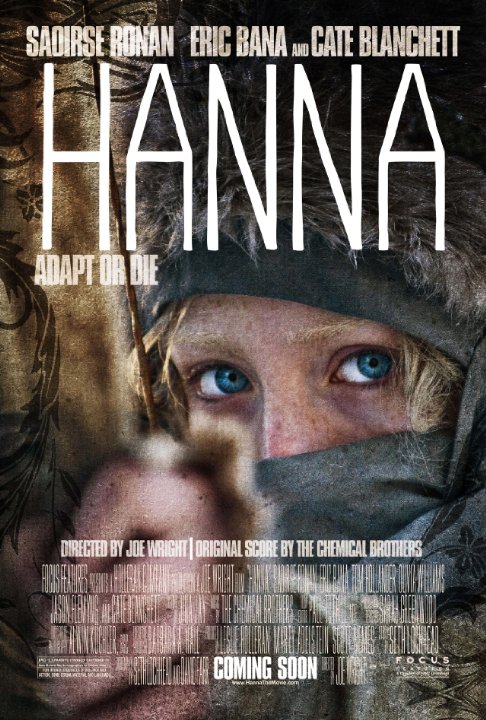
Hanna

MV5BNTAzMTg1NjY0NF5BMl5BanBnXkFtZTcwODc3MTgzNA@@._V1_SX640_SY720_

Fly Away Home

Fly_away_home_poster

The Last Mimzy

index

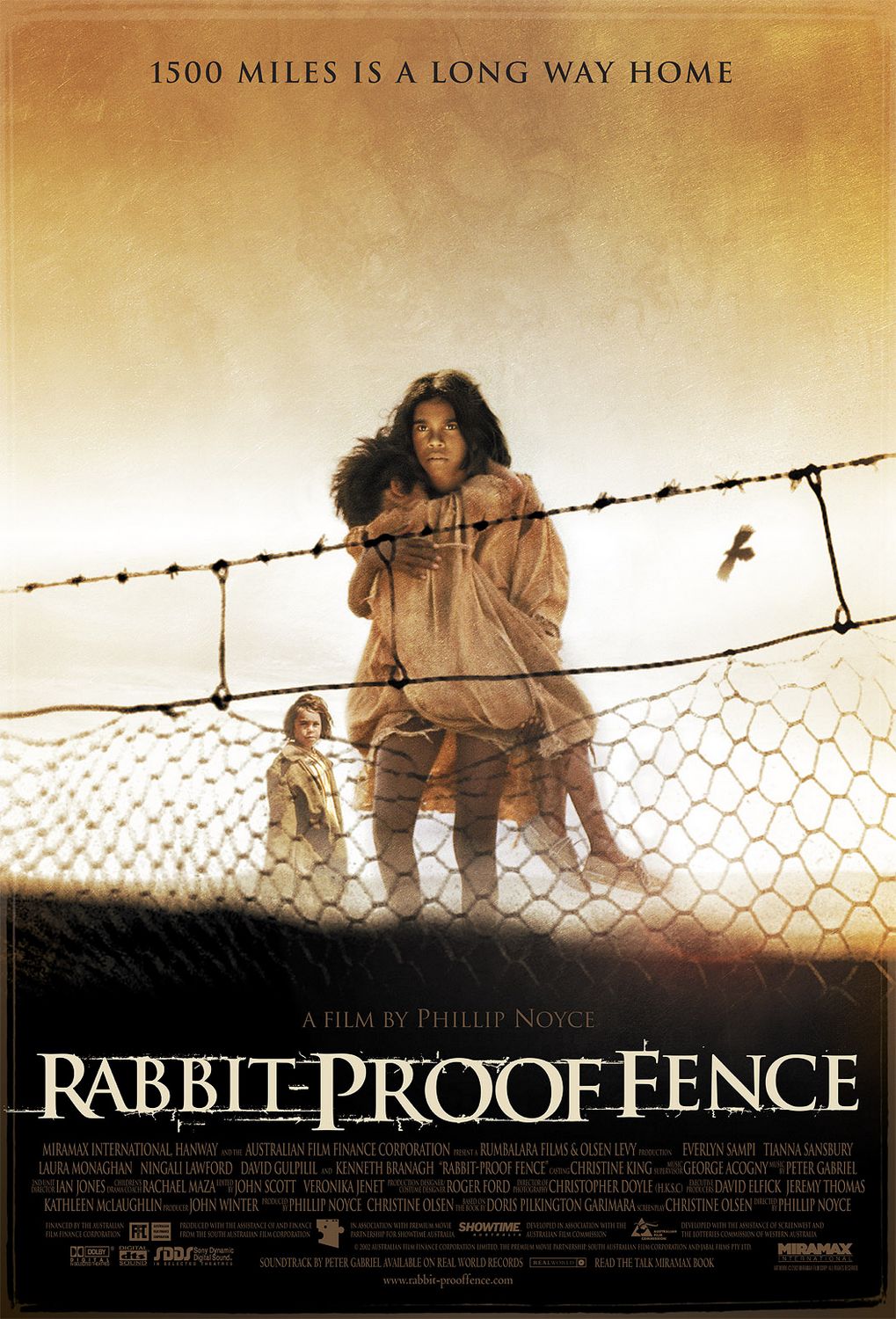
Rabbit Proof Fence

rabbit_proof_fence_ver5_xlg

Soul Surfer

MV5BMTU2MDg0OTYyM15BMl5BanBnXkFtZTcwMjg5MjY0NA@@._V1_SX640_SY720_

Whale Rider

600full-whale-rider-poster

Hunger Games/ Catching Fire

index

Bend it Like Beckham

bend-it-like-beckham-2

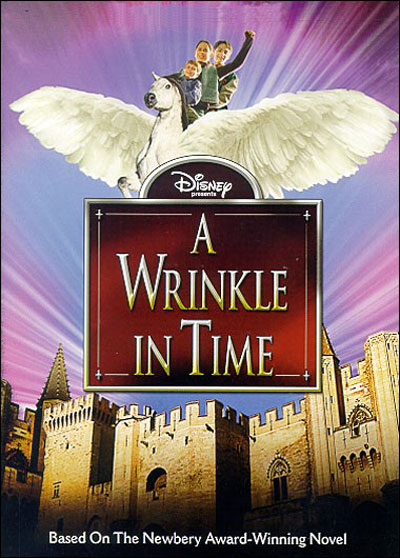
Wrinkle in Time

affiche

 Update: “Divergent” came out after this list was made. I LOVE “Divergent,” book and movie. Read my review here.

Lots of you complained about “Wrinkle in Time,” and I agree the special effects are bad, but my kids love this movie. They don’t care. I love the story, about a girl who is into and great at science who goes into space to save her father. “Wrinkle in Time” stays on the list.


Reel Girl recommends ‘Rabbit Proof Fence’

“Rabbit Proof Fence” is an intense, gorgeous, inspiring film about three Aborigine girls who escape from a home for “half-castes,” walking hundreds of miles through the Australian bush to return home after being kidnapped. Based on a true story, the heroine is 14 year old Molly, the daughter of an Aborigine mother and white father, who refuses to believe giving up her home, family, and culture just because she is half-white, is the best thing for her, her sister Daisy who is 10, and cousin Gracie who is 8.

rabbit_proof_fence_ver5_xlg

I had three daughters throwing up yesterday, and I put this movie on for my 10 year old after the younger two had passed out. My daughter and I were frozen and silent for the next two hours, totally engrossed in this story. We leaned about a different culture, a shameful history, witnessed not one but three brave heroines, and also got to see Australia’s beautiful lands. I highly recommend “Rabbit Proof Fence” and I’m adding it to Reel Girl’s list of films recommended for age 10 and up.

Reel Girl rates “Rabbit Proof Fence” ***HHH***

Reel Girl recommends: ‘Akeelah and the Bee’

I just blogged about watching “Bend it Like Beckham” with my soccer obsessed daughter. A week earlier, we saw “Akeelah and the Bee” right after that same daughter was a finalist in her school spelling bee.

akeelah-cover

I can’t tell you how excited I was for my daughter to experience this narrative while she was going through something similar in her own life. “Akeelah,” like “Beckham” is about competition and family and culture. “Akeelah” also stars a girl of color. This movie made me cry, and it’s about a spelling bee! If your kids have not seen it, please show it to them ASAP. It’s on Reel Girl’s 10 and up list.

Reel Girl rates “Akeelah and the Bee” ***HHH***

Reel Girl recommends: “Bend It Like Beckham”

Could I have loved “Bend It Like Beckham” more? I saw it for the first time last Saturday night with my ten year old soccer obsessed daughter and my soccer coaching husband. All three of us were crazy about it.

bend-it-like-beckham-2

The star of the movie is a smart, athletic woman of color. Her best friend in the movie is also a soccer superstar. The movie is about competition, family, and culture. It’s incredible, one of my all time favorites. Show it to your kids! I’m putting it on Reel Girl’s  list for age10 and up lbut I think younger kids would enjoy it too. Oh, I almost forgot. Kalinda from “the Good Wife” is in it as the protagonists older sister. Need I say more?

Reel Girl rates “Bend it Like Beckham” ***HHH***

Reel Girl’s Gallery of Girls Gone Missing From Children’s Movies in 2014

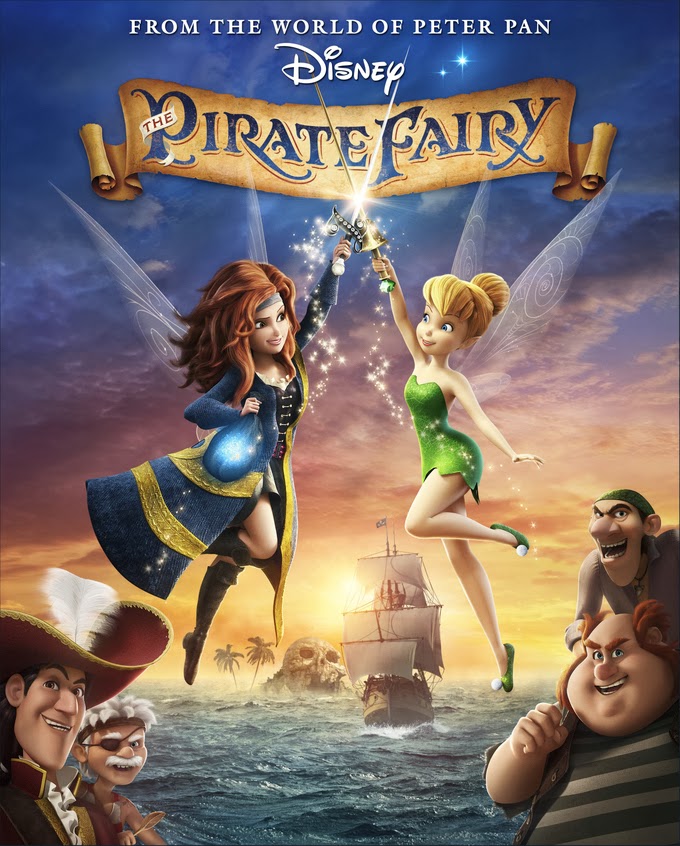
Let’s start with the good news. There are 5 children’s movies coming out in 2014 with female protagonists, titled for that female protagonist. This is a record since I started doing the gallery back in 2011. Those movies are:  Legends of Oz Dorothy’s Return, Maleficent, Molly Moon, Annie, and The Pirate Fairy I am super- excited about the first four. I am holding out hope for “Pirate Fairy.” It’s always been challenging for me to get past Tinkerbell’s mini-dress and how she’s always smiling submissively at me when I see her on party napkins or sippy cups. But hey, the movie is called “Pirate Fairy,” meaning that is not an oxymoron, which is a huge leap forward for Disney.

Now, for the bad news. In 2014,18 children’s movies star a male protagonist, that’s more than 3 times as many movies than those starring a female.

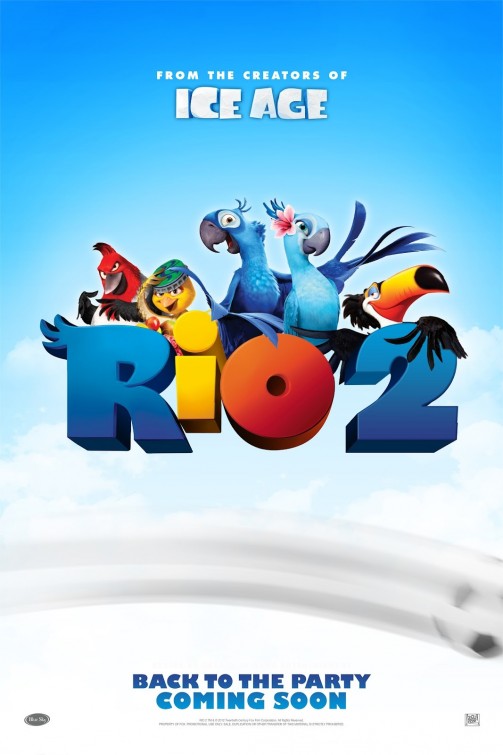
There are 2 movies that I’m putting in their own category. For “Rio 2,” I am hoping that birds Jewel and Blu are, in fact, costars. (See how I put her name first?) Here’s imdb’s synopsis: “It’s a jungle out there for Blu, Jewel and their three kids in RIO 2, after they’re hurtled from that magical city to the wilds of the Amazon. As Blu tries to fit in, he goes beak-to-beak with the vengeful Nigel, and meets the most fearsome adversary of all – his father-in-law.” For “Island of Lemurs: Madagascar,” this is the description from imbdb: “A look at the life of wild lemurs living in Madagascar.”Because the lemur on the poster doesn’t have a pink bow or giant eyelashes, my past experience would lead me to believe it’s a male, but because the movie is about lemurs in nature, I hold out hope here too.

Why is the gender of who stars in a children’s movie important? Because girls make up half of the kid population, yet, when kids go to movies, again and again, they see males front and center, while females get sidelined and marginalized.

Today, when kids go to the movies, they will often see the narrative include a strong female or two, but rarely is she the star. The movie is not about her quest. I call these female characters the “Minority Feisty.” The trope has evolved from the Smurfette principle in that there is often more than one, and she is presented as powerful. But her power, lines, and screen time are carefully and consistently circumscribed to show that she is not as important as the male star. Still, the Minority Feisty is supposed to pacify parents, making them feel that, unlike those sexist films of yesteryear, this movie is contemporary and feminist.

Don’t let the Minority Feisty fool you. “Feisty,” an adjective reviewers will invariably use to describe this strong female, is a sexist term. “Feisty” isn’t used to describe not someone who is truly powerful, but someone who plays at being powerful. Would you ever call Superman fesity? How would he feel if you did?

All children need to see more female protagonists. Everyone is the hero of her own life. Kids shouldn’t be trained to see girls and women stuck in supporting roles. In the imaginary world, anything is possible, so why is it sexist? Why is a brand new generation learning it’s normal for girls to go missing?

Here’s the gallery.

Legends of Oz, Dorothy’s Return

hr_Legends_of_Oz__Dorothys_Return_15

Maleficent

maleficent_teaserposter

The Pirate Fairy

New_Pirate_Fariy_Poster

Molly Moon: The Incredible Hypnotist (no poster yet, making my own with this pic)

molly moon 1

Annie (no poster yet, making my own)

NEJb1FOS4dMgMQ_1_2

The Nut Job

The_Nut_Job_poster

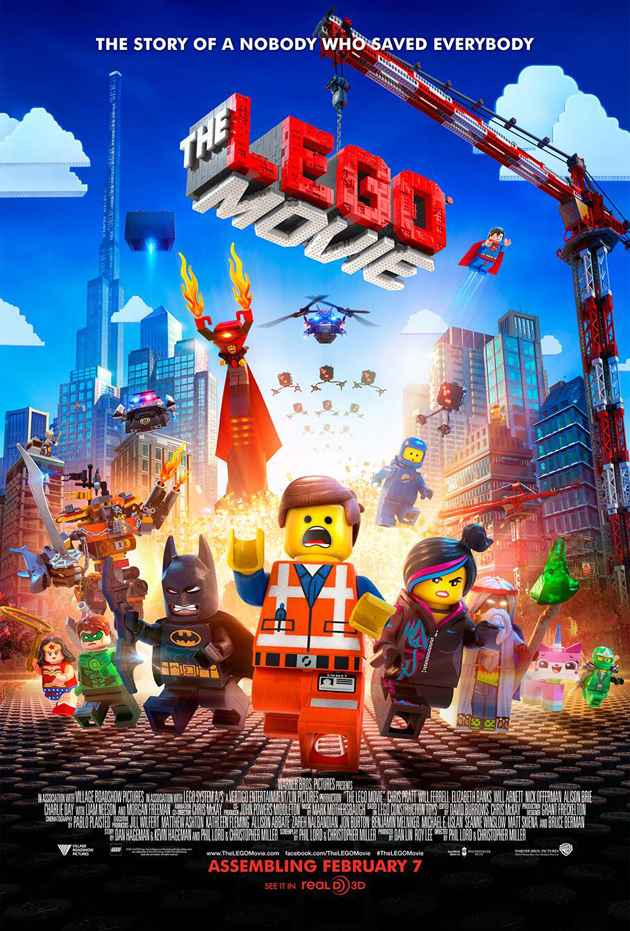
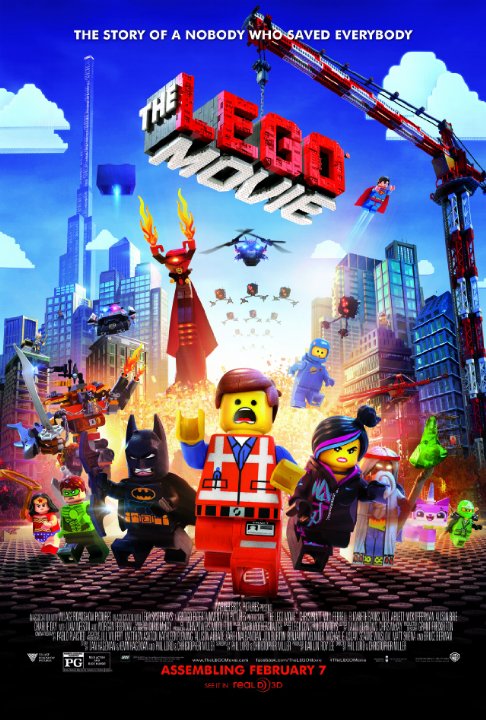
The Lego Movie

MV5BMTg4MDk1ODExN15BMl5BanBnXkFtZTgwNzIyNjg3MDE@._V1_SX640_SY720_

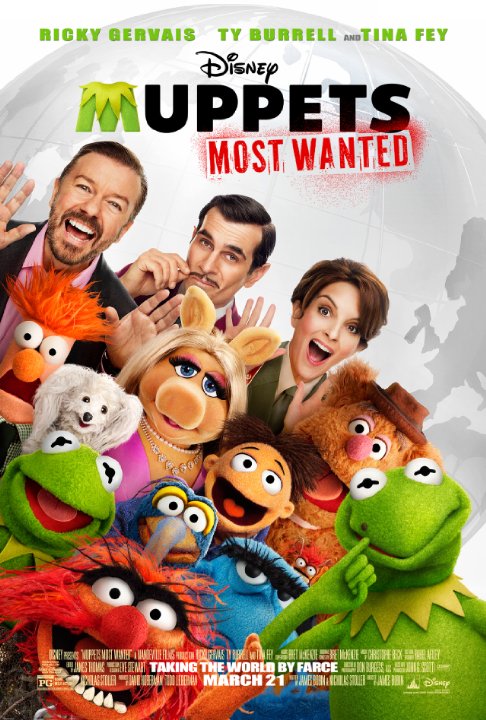
The Muppet Movie (Kermit is clearly, the star. There are even two of him in this movie.)

MV5BNDY2MTE0ODM4NF5BMl5BanBnXkFtZTgwMDI3Mjc2MDE@._V1_SX640_SY720_

Tarzan

Tarzan_(2014_film)

The Adventurer Curse of the Midas Box

Adventurer_the_curse_of_the_midas_box_poster

Mr. Peabody and Sherman

mr_peabody_and_sherman_film_poster

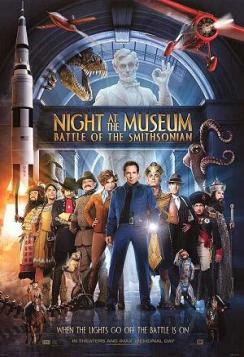
Night at the Museum Battle of the Smithsonian

244x357x2C2B3FB36-D780-C51A-C732F8CCF85872FA.jpg.pagespeed.ic.cxXRfRvsFQ

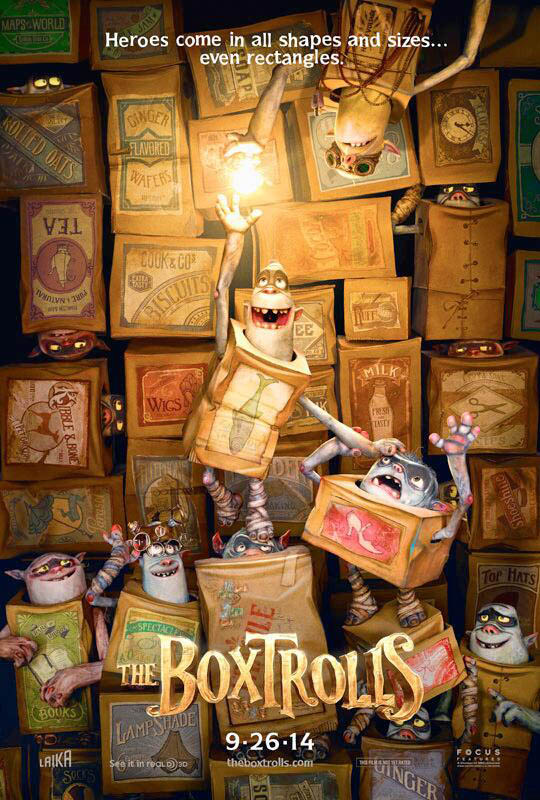
Boxtrolls

boxtrolls-poster

Helium Harvey

helium_harvey_xlg

Paddington

new-poster-for-paddington-bear-movie-106402-470-75

Alexander and The Terrible Horrible Not Very Good Day

Alexander-and-the-terrivle-horrible-no-good-very-bad-day

Teenage Mutant Ninja Turtles

tmntfanposterorreal

Planes Fire and Rescue, where Dusty, the plane who mocked slower flyers as “ladies,” is once again the protagonist.

planesfireandrescue52c5c22050e5a

Heaven is for Real

Heaven-Is-for-Real-2014-Movie-Poster

The Wind Rises

The-Wind-Rises-movie-poster-691x1024

How To Train Your Dragon 2. No poster yet, but Hiccup is, once again, the protagonist.

Hobbit. No poster yet, but clearly, Bilbo will remain the protag.

Bilbo_Baggins_from_The_Hobbit_Wallpaper

Dolphin Tale 2. No official poster yet, but here’s the synopsis from imdb: “The sequel to the 2011 film based on a true story of a boy’s efforts to save an injured dolphin.”

Dolphin-Tale-poster

Rio 2

rio_two

Islands of Lemurs Madagascar

LEMURS

Update: Though she’s missing from many promotional materials, “Home” will star a female protagonist.

Also, Rio stars a male.


See Reel Girl’s Gallery of Girls Gone Missing From Children’s Movies in 2013

Reel Girl’s Gallery of Girls Gone Missing From Children’s Movies in 2012

Reel Girl’s Gallery of Girls Gone Missing From Children’s Movies in 2011


‘The Nut Job’ another kids movie allergic to female protagonists

Yesterday, I took 4 kids to see “The Nut Job.” Here’s the poster for the movie, featuring its star, Surly the Squirrel, front and center.

The-Nut-Job-movie-poster

As you can see by the names on top of the poster– Will Arnett, Brendan Fraser, Gabriel Iglegsias, Liam Neason, and Katherine Heigl– males dominate this movie. Heigl plays Andie, who, like most Minority Feisty, is strong, smart, and brave, but “Nut Job” is not Andie’s movie, it’s Surly’s.

andie_and_surly__the_nut_job__by_xnickthebestx-d6tr530

There are two more Minority Feisty I liked: Precious, the pug and there’s a girl scout who cracked me up. There is a pigeon who spoke briefly that is also female.

Typical of children’s movies, Surly, the male protagonist, has a male BFF: Buddy (ha ha)

The-Nut-Job-Trailer-5

The evil villain, a raccoon, is also a male. So are the evil rats pictured around him, at least any rats that talked.

The_Nut_Job's_villain

Villains in the movie also include a all male band of human robbers: Jimmie, Fingers, Lucky, and Johnny, and King, the boss. Lana is the last Minority Feisty, King’s love interest. When we meet her, the camera pans her curvy body in the exact same way that Cate Blanchett just protested as sexist at the SAG awards.

The police in the movie are also all male.

If the gender ratio of “the Nut Job” were specific to this movie, or even half of movies for kids, it would not be a problem. It is the repetition of assigning the male as the hero and the females in supporting roles that is so damaging for kids to see again and again and again.

Here’s my 4 yr old daughter at the Metreon counting the giant men she saw.

1504273_615192378535536_1515255585_o

Reel Girl rates “The Nut Job” ***H***