Are you coming to the Bay Area Book Festival June 4 – 5?
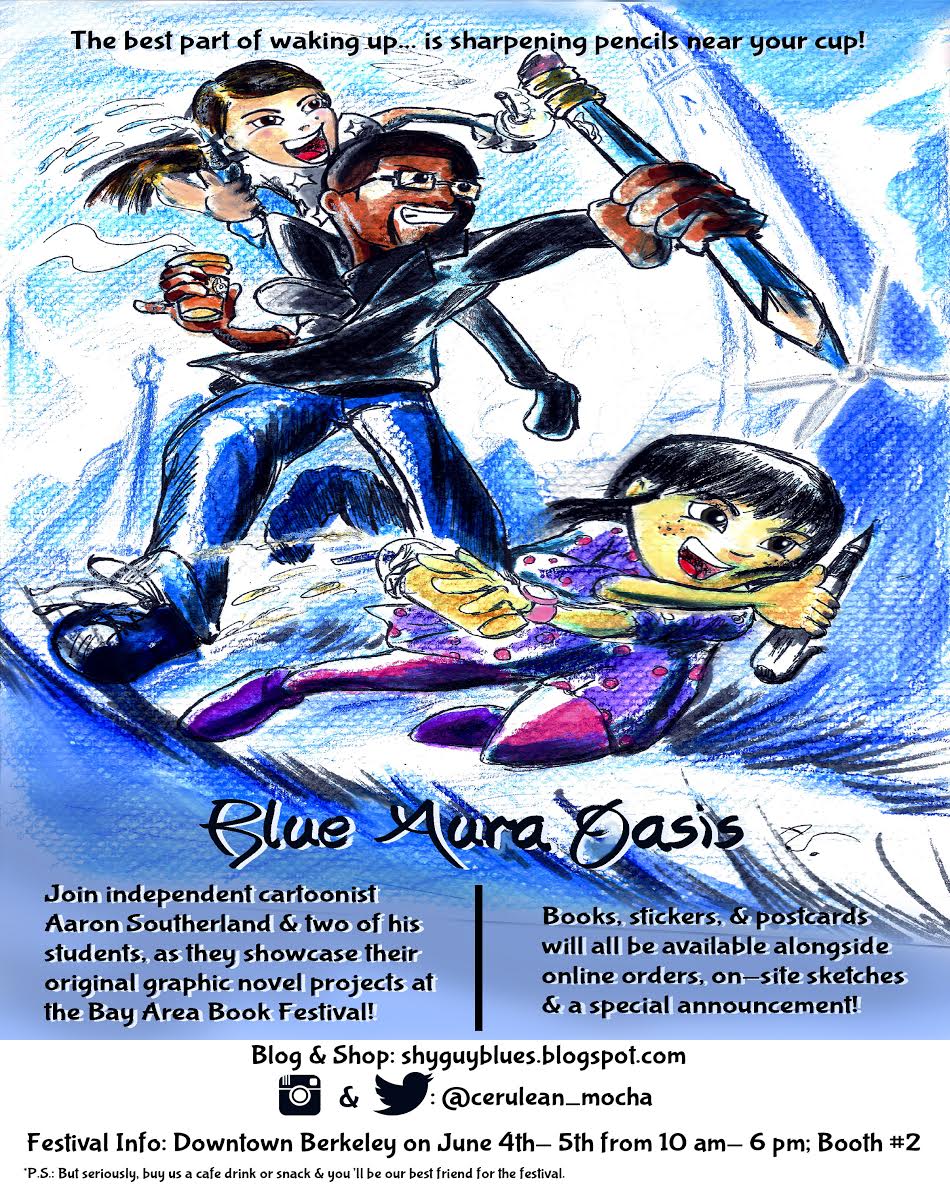
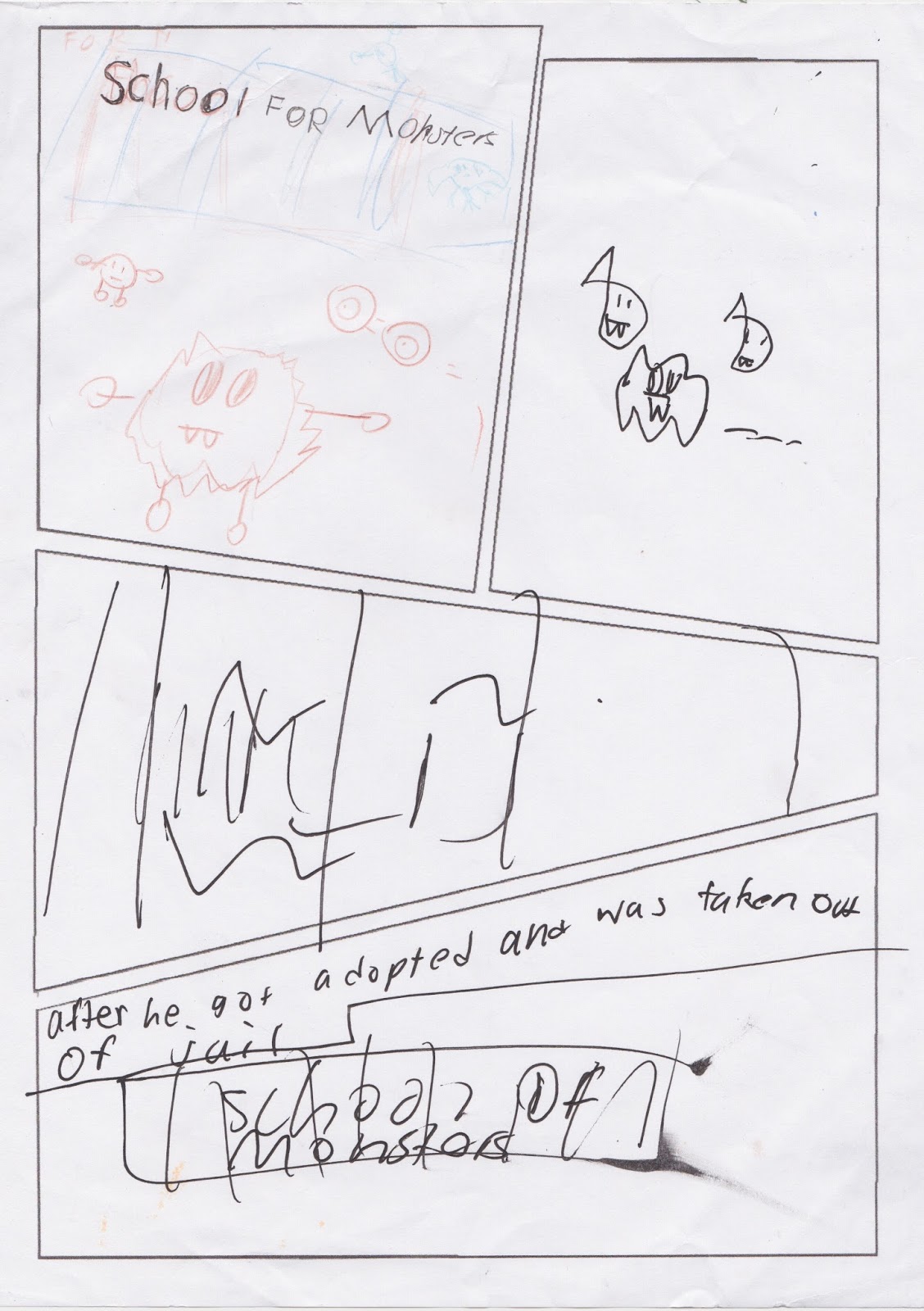
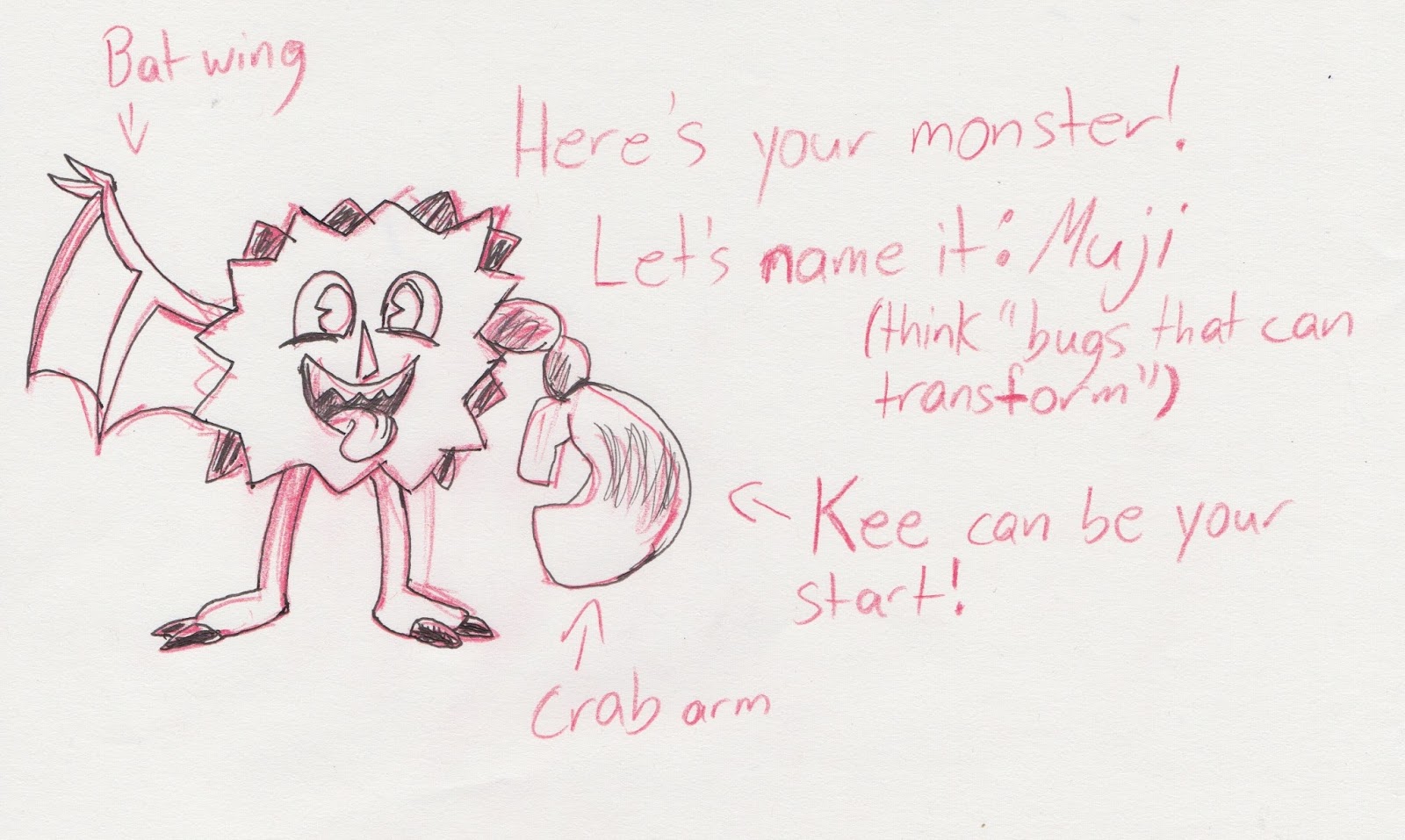
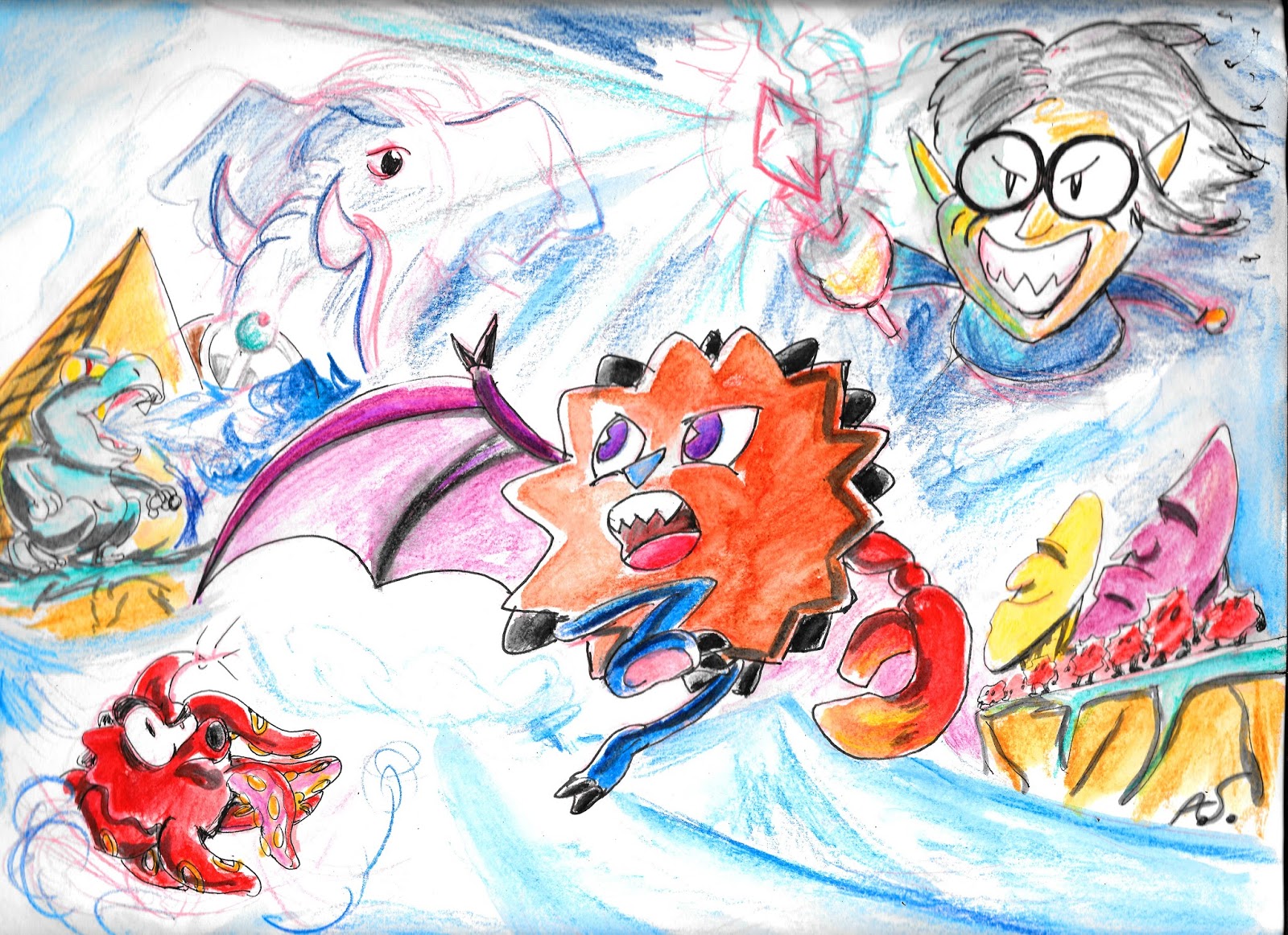
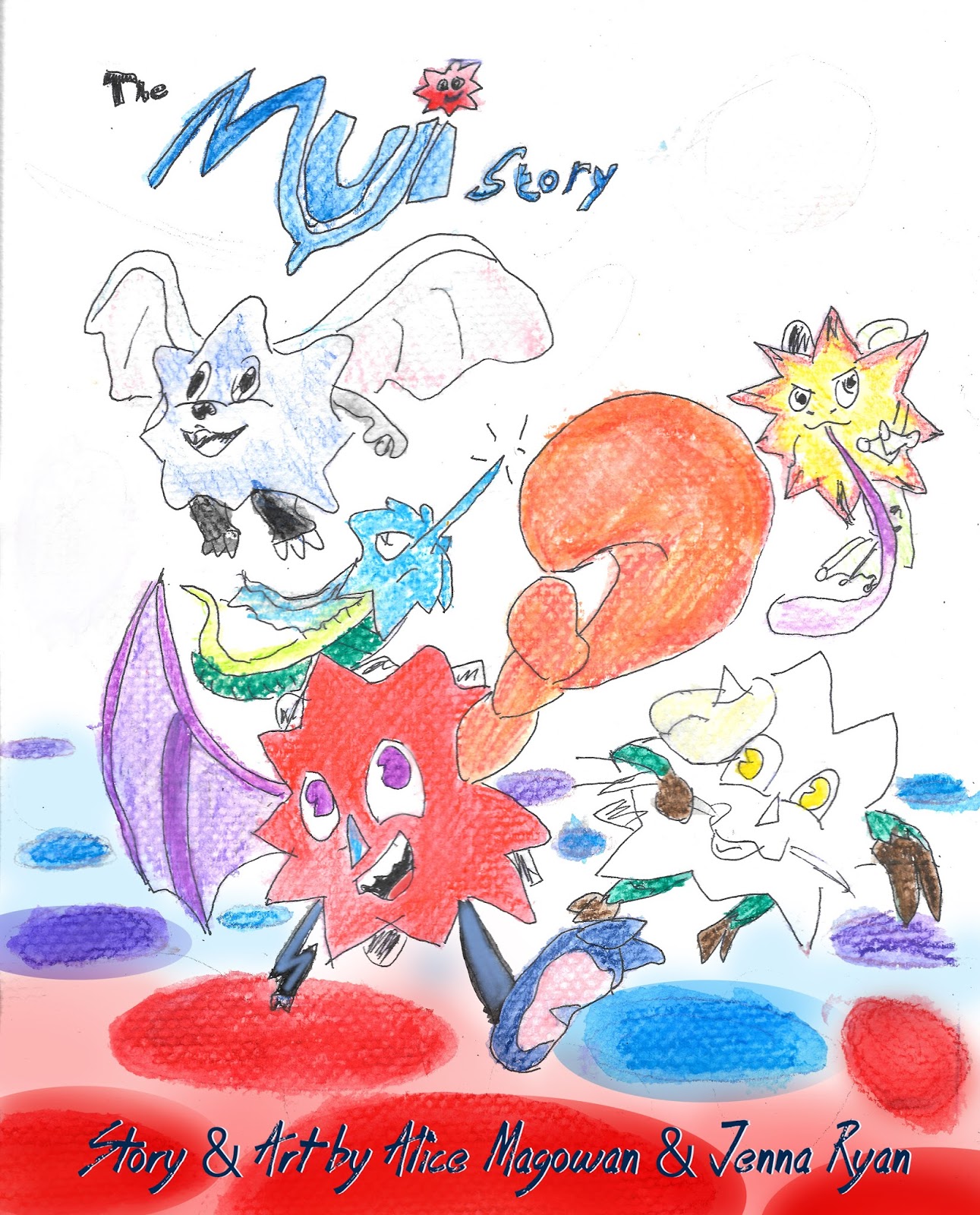
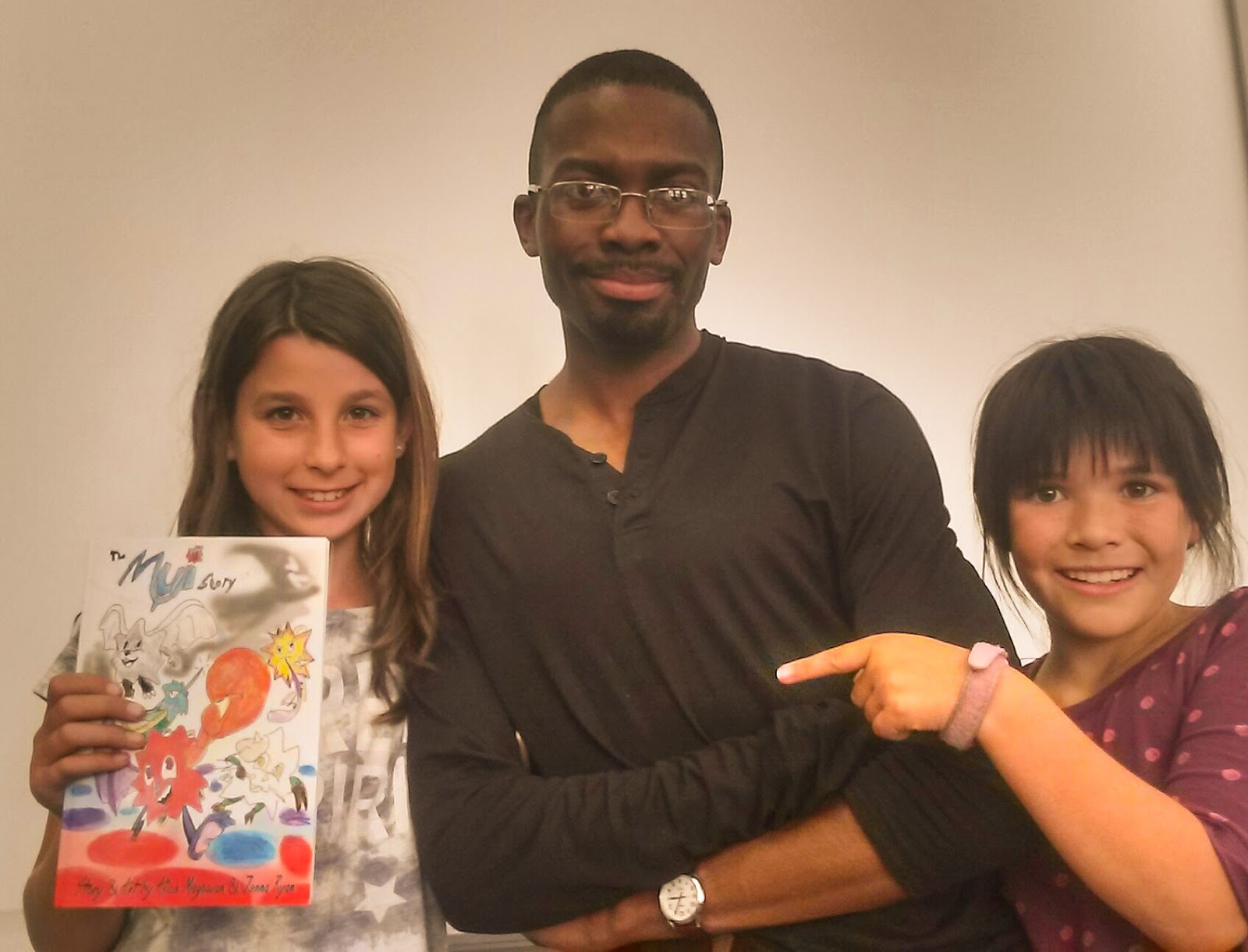
Here’s the poster my 9 year old daughter’s cartooning teacher, Aaron Southerland, made for the event. I love how it shows my daughter, her best friend, and her teacher wielding writing tools instead of weapons, because, truly, when it comes to changing the world, is there anything more powerful than art?
To learn more about Alice’s book or to buy it click here.
Like the all male “Minions” featured in no less than 3 blockbuster movies, Roald’s Dahl’s giants in his book The BFG, coming out as a movie directed by Steven Spielberg in July, are 100% male.
By the time my daughter and I reached to page 51, Dahl let us know for sure: There are no female giants in the story at all. Disturbed by his poor grammar and vocabulary, Sophie, the girl kidnapped by the giant, asks the BFG he had a mother to teach him. The BFG responds in shock, almost disgust:
“Giants don’t have mothers! Surely you is knowing that.”
“I did not know that,” Sophie said.
“Whoever heard of a woman giant!” shouted the BFG, waving the snozzcumber around his head like a lasso. “There never was a woman giant and there never will be one. Giants are always men!”
Sophie felt herself getting a little muddled. “In that case,” she said, “how were you born?”
“Giants isn’t born,” the BFG answered. “Giants appears and that’s all there is to it. They simply appears, the same way as the sun and the stars.”
I hope Spielberg’s adaptation lacks this sexism and that at least half of the giants in the movie are depicted as female. I especially hope that millions of kids don’t hear the line: “Whoever heard of a woman giant! There never was a woman giant and there never will be one. Giants are always men!” I’m not optimistic. In the trailers for the movie, I’ve seen only male giants.
Why do I want half the giants to be female? After all, they’re villains. They eat children. They’re ugly and brutal and mean. Don’t I want females to be heroes?
The BFG has “a strong female character” in Sophie, but besides the queen, those two are the only major female characters in the whole story. The queen is only in about a quarter of the story. Besides the all male giants, there’s an all male army. Sophie is a Minority Feisty, a sexist phenomenon that often fools parents into thinking they’re watching a feminist movie when they’re watching a sexist one. I define Minority Feisty as this:
If you see an animated film today, it will usually include a strong female character. Or two. Or maybe even three. But however many females there are, there will always be more males. Females, half of the human population, will be depicted as a minority. The token strong female character (or two or three, you get the point) reviewers will call “feisty.”
The problem is that because Pixar or Disney has so magnanimously thrown in this “feisty” female (who may even have some commentary about sexism or male domination) we’re no longer supposed to care that almost all of the other characters in the film are male.
If the male dominance in The BFG was about one book (or one movie) it wouldn’t be a problem, but this sexism is part of a pattern that is so repeated and normalized, we don’t even notice it. With so many girls gone missing from children’s media, we’re training a new generation to expect and accept this sexism. We’re missing a huge opportunity to use creativity to show them that the world could vbe another way. Once again, I ask: Why does the imaginary world have to be sexist at all? If rats can cook, unicorns prance around, and lions befriend warthogs, why can’t we picture gender equality?
I read horrible shit every day as I know you do too, but this story of sexual harassment by a famous ethics professor at Yale made me cry. So hypocritical of Thomas Pogge, an intellectual star in the field of global ethics, and reminiscent to me of how “progressive” and “lefty” men– political leaders, professors etc– can be just as sexist and dismissive of women as anyone else. We need more women in power. Below you’ll find some quotes from the post, but please read the whole thing on Buzzfeed and share it.
In the 1990s, a student at Columbia University, where Pogge was then teaching, accused him of sexually harassing her. In 2010, a recent Yale graduate named Fernanda Lopez Aguilar accused Pogge of sexually harassing her and then retaliating against her by rescinding a fellowship offer. In 2014, a Ph.D. student at a European university accused Pogge of proffering career opportunities to her and other young women in his field as a pretext to beginning a sexual relationship.
Yale has known about these allegations, and others, for years. When Lopez Aguilar first reported Pogge for sexual harassment, she said, Yale offered to buy her silence with $2,000.
Eventually, a hearing panel did find “substantial evidence” that Pogge had acted unprofessionally and irresponsibly, noting “numerous incidents” where he “failed to uphold the standards of ethical behavior” expected of him. But the panel voted that there was “insufficient evidence to charge him with sexual harassment,” according to disciplinary records…
In October 2015, Lopez Aguilar filed a federal civil rights complaint, alleging that Yale violated Title IX, the statute that holds schools responsible for eliminating hostile educational environments caused by sexual harassment. Lopez Aguilar is asking the government to investigate whether Yale has ignored the “exhaustive attempts” she and others have made to prove Pogge is a danger to female students.
Her complaint also accuses Yale of violating Title VI, which prohibits race discrimination, on the grounds that Pogge specifically targets foreign women of color who were unfamiliar with how to navigate power in the United States.
The claims against Pogge pose critical questions about how universities manage the power dynamic between faculty members and students…
Lopez Aguilar grew up in Tegucigalpa, Honduras. She was a star student who published a book of poems about social justice at the age of 13; when she applied to college, her high school adviser wrote that she would one day be president. She enrolled at Yale in 2006, and took one of Pogge’s classes as a junior. When he agreed to supervise her senior thesis the following year, Lopez Aguilar was thrilled…
“He was my mentor,” Lopez Aguilar said. “Now I see that I was naive, but I thought he actually appreciated me for my intellect. I was flattered that he saw promise in me.”…
Only Pogge and Lopez Aguilar know what happened in that room, and Pogge has insisted to Yale he never made sexual comments or advances to her. But she later told the university that he asked her to join him in his bed to watch a movie, The Constant Gardner, on his laptop, with the lights off. That he said he couldn’t look at her in a black dress she wore because it was too “dangerous.” That he said perhaps she would consider marrying him someday. That he told the hotel staff to call them “Mr. and Mrs. Pogge.” That he mentioned he had been accused of sexual harassment at Columbia, and said she was “the Monica Lewinsky to his Bill Clinton…”
Eventually, Yale offered her a $2,000 settlement, on the condition that she sign away her right to pursue further claims against Pogge or the university — or to tell anyone about Pogge’s behavior from “the beginning of the world to the day of the date of this Release.”
The federal government has said that it’s illegal to use conditional nondisclosure agreements in sexual harassment cases. But Yale treated Lopez Aguilar’s report as a workplace dispute, ignoring her claims of sexual harassment, her recent complaint states.
She signed the agreement. She said she didn’t think she had any recourse…
The following spring, however, 16 other current and former students filed a Title IX complaint with the Department of Education claiming that Yale had failed to properly address their sexual misconduct claims. A formal investigation was opened. (It concluded that Yale had underreported incidents of sexual violence “for a very long time,” among other violations.) Their complaint had nothing directly to do with Pogge, but it motivated Lopez Aguilar to try again…”
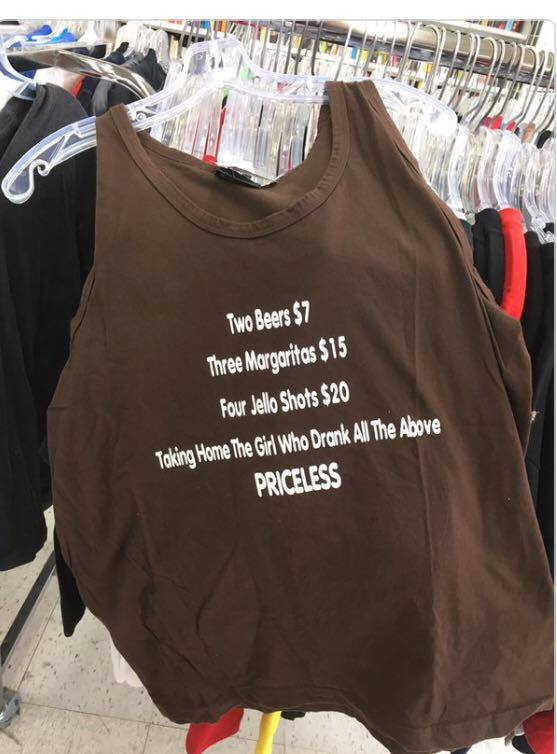
I’m exhausted by responding to endless images and narratives that normalize rape and the oppression of women. But I guess that’s the point, right? You just run out of energy. We can’t let that happen so I did some research. Turns out the shirt is made by a company called Iron Horse Helmets. Though it can be difficult in these instances to figure out who created the thing you’re trying to protest, a quote on the Iron Horse site makes it pretty clear:
Not afraid to express yourself? Good, our Tees got attitude and something to say. Make a statement or make ’em laugh with T-shirts from Iron Horse Helmets. Got a great idea for the next Iron Horse Helmet T-shirt, send it to us – we won’t give ya nothing for it, but we might use it and will be sure to take all the credit for it.
Please contact Iron Horse Helmets and tell them you’re #NotBuyingIt. Let them know promoting rape isn’t funny, it’s dangerous. I can’t believe that statement is the radical one.
I miss you guys! I know I’ve been blogging for a couple years that I’m almost done with my book, but I’m REALLY almost done now. Finishing a book (finishing anything?) is so challenging, tying up all the loose ends, letting it go, but I could not be more excited about what I’m writing so that’s pushing me to the end. I haven’t had any time to blog, and I don’t just mean the time it takes me to write these words, but once I pound it out, I get engaged with the whole Internet world and I can get lost for hours on line, it’s a shift of energy and brain cells I can’t afford. I think I’ve written this before but being a mom has truly made me realize how carefully I have to choose where to put my energy. I get how Obama says he wear the same thing every day because his decision making reservoirs are used up. I wish more women could get away with not putting so much time and money and brain cells into how we look without getting mocked or put down, but I’m going off on a tangent here. There is one blog I’m dying to write about Roald Dahl’s BFG which I’m reading with my 7 year old daughter, so stay tuned. In the meantime, I got this amazing comment that I have to repost. The commenter encapsulates why I started my blog, the Minority Feisty, and the issue I have with most stories for kids featuring ” a strong female character” or two or three. Her comment is in response to my blog: If we can imagine talking bunnies as police in ‘Zootopia,’ why can’t we imagine gender equality? Here it is, from sellmaeth:
“Realism? You mean, like lionesses doing all the hunting (lead by a lioness) while the lazy males just eat what the lionesses bring home and murder the cubs fathered by other males?
Or male bees and ants only existing for breeding, and only being about, l don’t know, five animals in the whole hive?
Or … the daddy clownfish in “Finding Nemo” changing to mommy clownfish because that’s what that kind of fish does …
Oh, or anglerfish … tiny males have their mouths fused to the big female.
Haha. You’ll never see that in a movie.
I can imagine equality of the sexes. But I am not paid to write movie plots, I just write fanfic.
You are right, this “lone woman fights bad sexism” is getting old, and an excuse to feature sexism in the first place.
Once played pen&paper roleplay game with a dude who wanted to force me into the “token female who has to fight sexism all the time” role … in a setting that’s explicitly not sexist. (He changed the original game to suit his tastes)
He was a sexist in more ways than that. You are definitely on to something there.”
Aragog’s web, strung across my living room. In case you didn’t know, he’s a giant spider (Harry Potter, Book 2, Chamber of Secrets.)
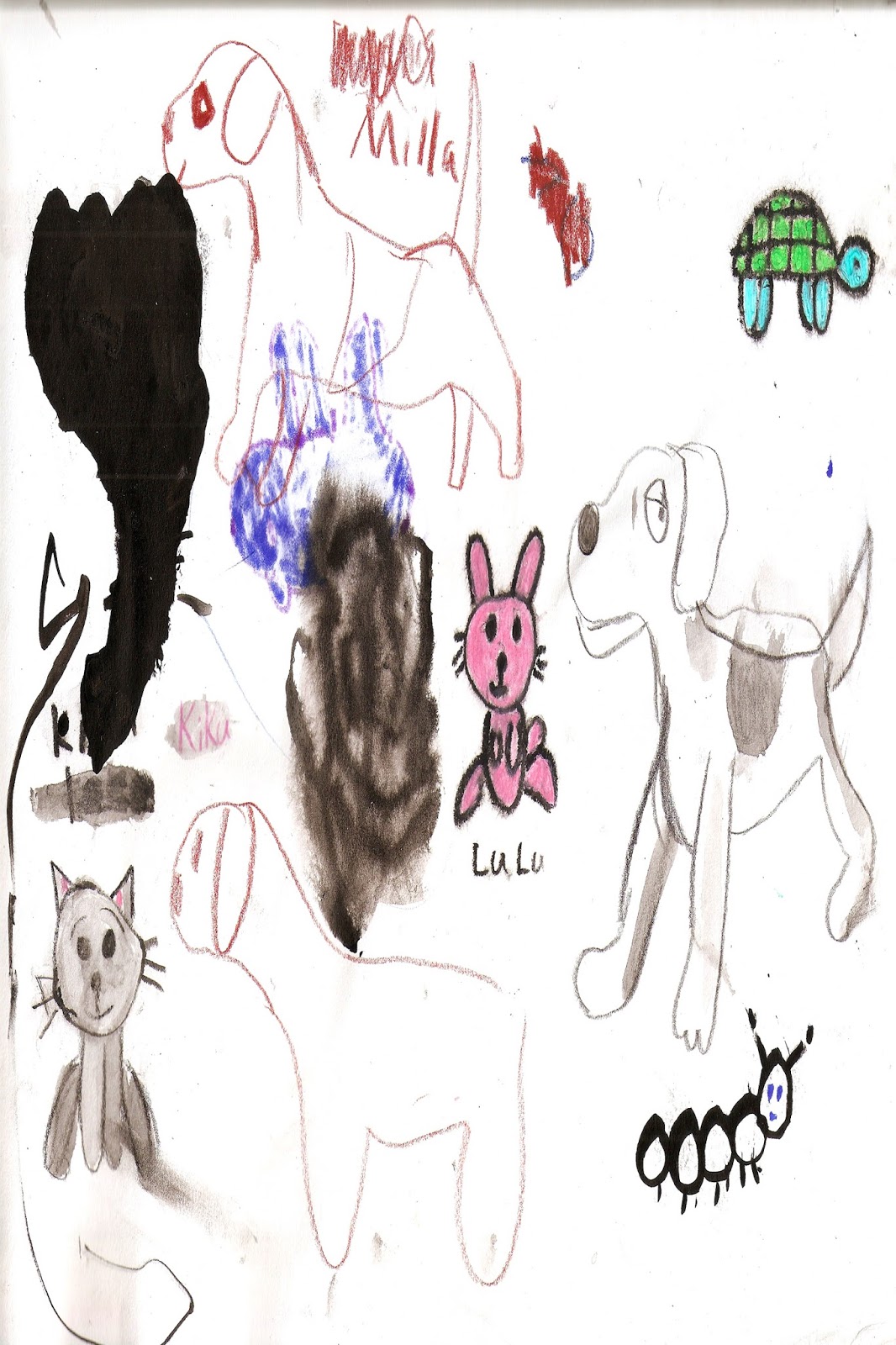
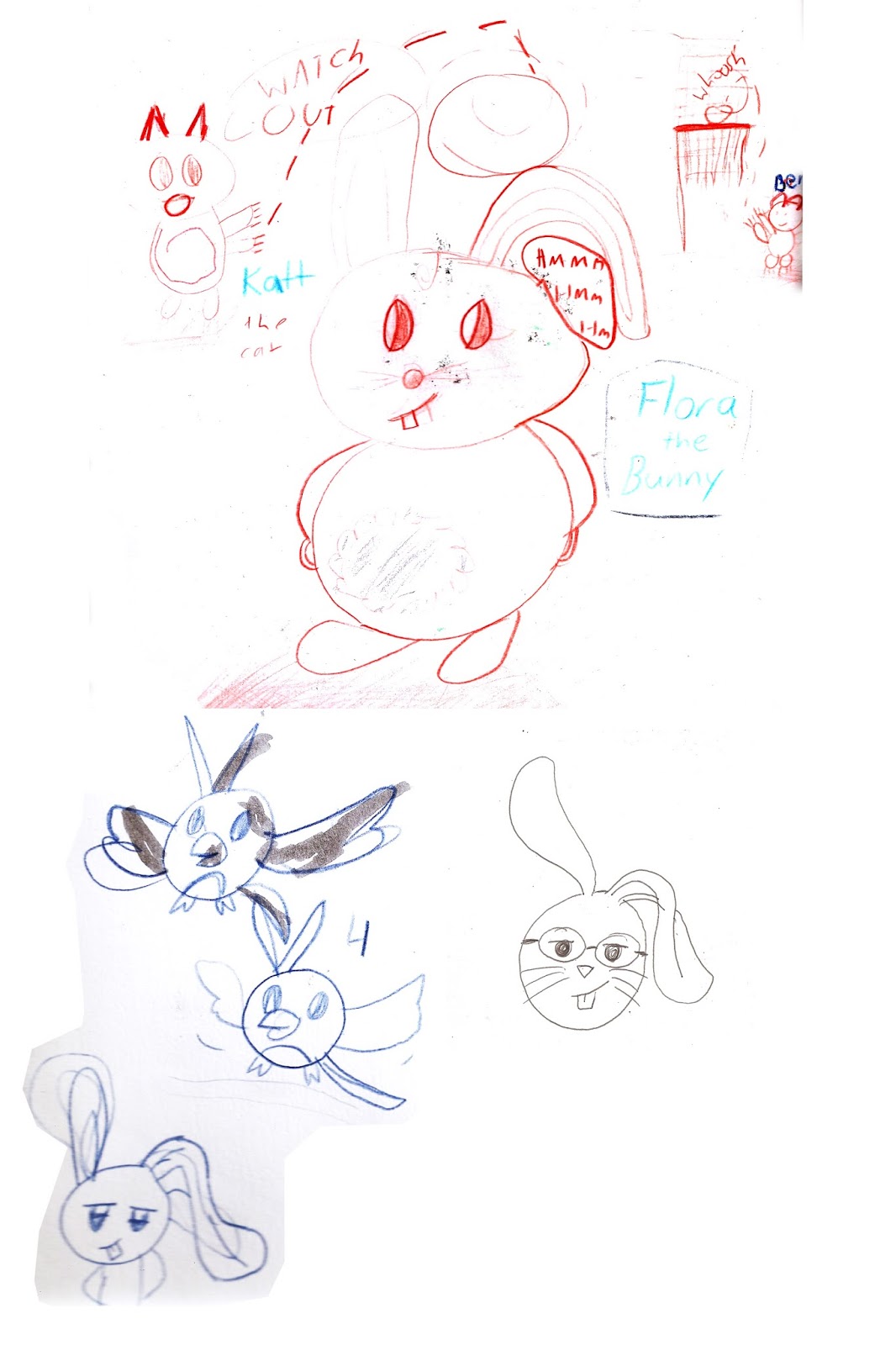
You may be wondering if I affirmed my daughters’s creativity (all 3 made this) or tore out my hair. I took the picture, crept upstairs, and shut my office door. Soon, their dad will be home.
Yesterday, I saw “Zootopia” with my three daughters (ages 6, 9, and 12) and we laughed through the whole movie. The animation is spectacular. Zootopia is a city populated by all types of animals and the details of every single species, from the curved horns of the buffalo long noses of the moles are exquisite to watch. This movie is art.
The protagonist is Judy Hopps, a rabbit who longs to leave the boonies of her farm, go to the big city, and make the world a better place. She’s forced to encounter prejudice, being labeled “a dumb bunny.” Not a predator, she’s considered too weak for the police force. Assigned meter maid duty, Judy longs for more challenging work. She overcomes her own biases to pal up with a fox and solve the mystery of a slew of animals gone missing.
Not only did I love this movie because of Judy’s actions but also her looks. We know she is female mainly because of her voice. She doesn’t have long, curly eyelashes or a hot pink bullet proof vest. Her upper uniform is truncated in a way I think they were trying to feminize it, but even so, her physical self is unusually ambiguous for an animated character in contemporary media.
Judy becomes best friends with a male fox. These two come no love each other. No romance involved. No romance in the entire movie. “Zootopia” is literally a poster for cross-gender friendships, something rarely seen in children’s media.
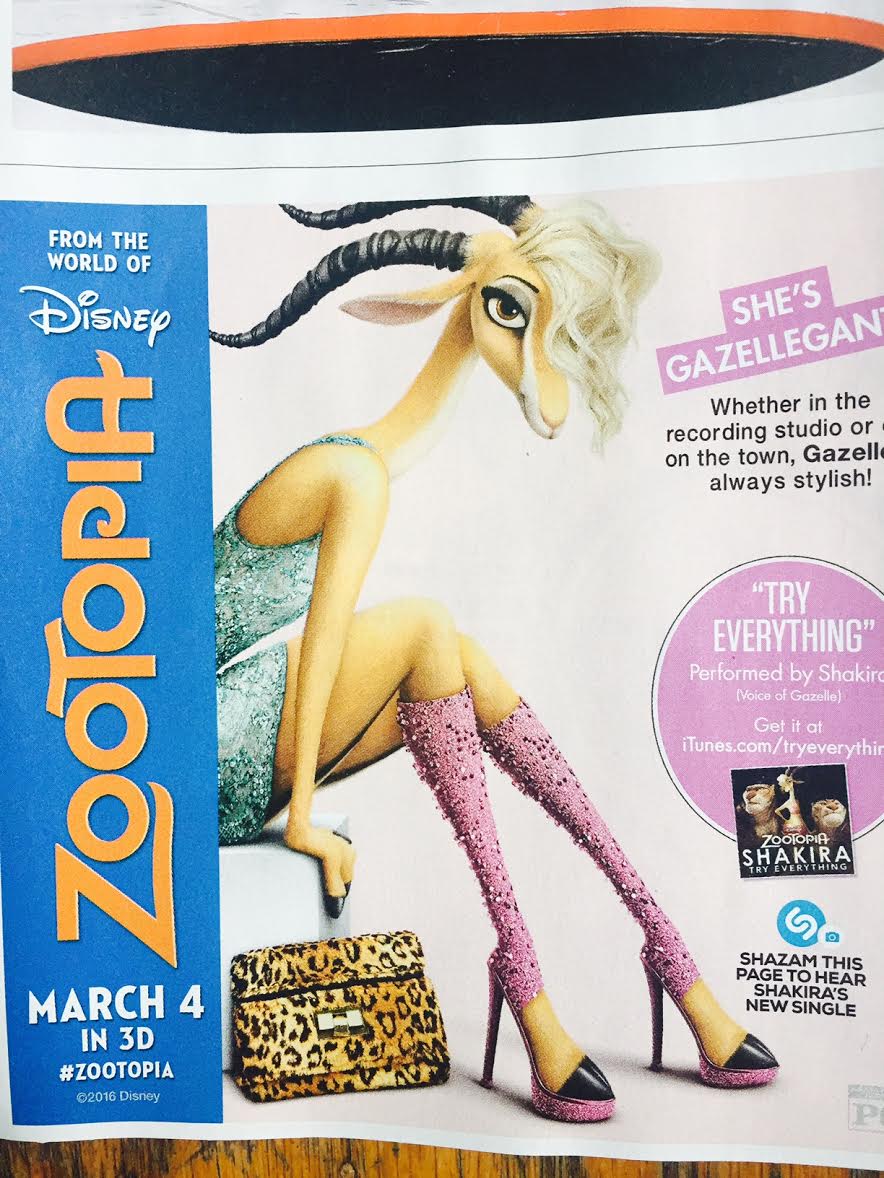
Judy Hopps, the protagonist, is missing from this ad campaign. WTF? I suppose she’s left out since she’s not gazellegant or always stylish. The good news is that Gazelle’s actual part in the movie is tiny, her scenes are minimal and she’s also inconsequential in the plot. If she were the only female, I’d be pissed.
Grown-ups, you’ll love the scene in the DMV office populated by sloths. I’ve rarely seen a moment so hilarious and true-to-life in animated film. Everyone, proceed to your local Metereon. I’d be surprised if there’s a kid out there of any age who doesn’t adore this movie.
The report states that a St. George’s campus security officer, Christopher Simanski, called 911 when he saw a male climb out the window of an all girls dorm and run towards the road with no shoes on. When Middletown police officer David Hurst arrived on the scene, Simanski told him he’d chased the male but couldn’t catch him. Simanski returned to the dorm, went to the room with the window, and saw a girl sitting on her bed crying, another girl sitting next to her. He wrote that she was upset, visibly shaken, and “indicated there had been a male in her room and on her bed.”
While Simanski was recounting the events to Hurst, the dean of students, Katie Titus, came out of the dorm and approached them. What do you think happened next? She helped them investigate a possible crime, right?
Here’s how Hurst tells it:
I asked Titus where the alleged victim was and Titus ignored my question and only replied by telling me that the girl was upset. I asked Titus again where the alleged victim was and again she did not answer me. I reiterated to Titus that I was there to investigate a possible assault or sexual assault and that I would need to speak to the victim to determine the nature of the incident and obtain crucial information for any possible suspects.
Titus still refused to let Hurst investigate, insisting that she would speak for the victim. She would speak for the victim? Hurst continued to press her, letting her know that he needed vital information. Titus gave him some information of her own. She said she knew the male who ran from the window. He was student who had just graduated. But then, she refused to give the officer his name or any other facts about him.
When 911 is called and there’s a report that a girl may have been sexually assaulted, how the adults around her respond makes a world of difference. They can ensure that she gets immediate professional treatment and care, optimally provided by a team that includes a medical provider, a sexual assault examiner, and a rape crisis counselor. They can facilitate police evidence collection, which depending on the jurisdiction, needs to happen within days following the incident. This kind of rapid response leads to better health outcomes for victims and an increased chance that associated criminal charges are filed.
So what happened next?
According to the report, Titus told Hurst that she’d reached the recent graduate on her cell phone. (She had his number on her cell? Maybe that’s totally normal for a dean’s contact list in these digital days?) The nameless male assured Titus that he hadn’t been on campus. Hurst writes in his report: “Titus apparently accepted the alibi at face value.” Again, she refused to give Hurst any more information about him. I haven’t read many police reports but this seems like an odd order of events. Was Titus trying to pacify the officer at first, saying she knew the male, thinking he’d leave it all alone, let her take this mess over? Then, when Hurst asked for more information, did Titus regret telling him she knew his identity? We’ll never know because just at that moment, Titus was called away for a family emergency.
Assistant dean, Lucy Goldstein, arrived on the scene to take over. More police officers also arrived, including a lieutenant who insisted on speaking to the girl to confirm the chain of events. At that point, Goldstein went and talked to the girl for 20 minutes before allowing the lieutenant to speak with her. The girl told him that she let the male into her room, they started kissing and he wanted it to become more intimate. She “declined” and he “agreed not to press the issue and left through the window.”
The report ends with:
Having no further evidence of a crime or witnesses to come forward to contradict the series of events, all units cleared from the scene. School safety supervisor Lombardi advised that he would follow up in the morning regarding how the school staff handled the initial investigation and its cooperation or lack there of in the investigation conducted by this department.
I don’t see any information that a follow up actually happened.
SGS for Healing writes that the report raises a number of questions including: Why didn’t the SGS Dean Katie Titus immediately allow the officer to see the female student? Why did the Middletown police call Ms. Titus uncooperative? Why did Ms. Titus call the adult male? Why didn’t she help the officer talk with him and why did she refuse to give the adult male student’s name and telephone number? Sometime after the Middletown Police were on the scene, a female sexual assault officer from Newport arrived. Why did the school continue to refuse to allow her access to the alleged victim? How did the school help the student get professional treatment and care? How were the police aided in gathering physical evidence?
Last night, I saw “Spotlight,” the movie about the sexual abuse and the Catholic church that just won the Best Picture Oscar. There’s a great line: “If it takes a village to raise a child, it takes a village to abuse them.” This story is so much bigger than St. George’s. It’s about how when institutions (whether its the church, the government, businesses, or schools) are put before individuals, children suffer. Ultimately, we all do because this pattern of abuse happens far too often and isn’t symptomatic of the kind of world healthy people have the great potential to create.
Reel Girl’s posts about St. George’s are below. If you read them, you will see that as an alumna of the school, I started to write about the institutionalized sexism I witnessed there long before I learned about the rapes and cover-ups.
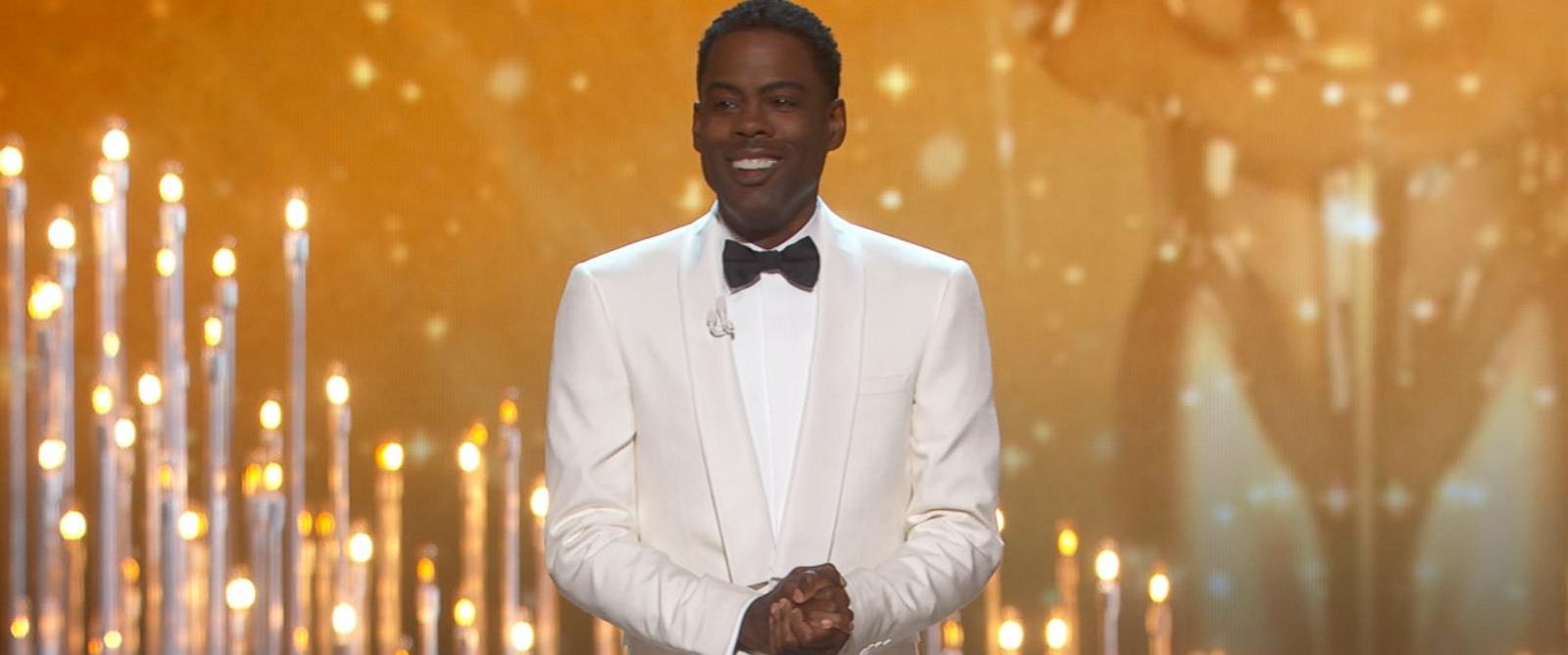
In a disappointing opening monologue at the Academy Awards, Chris Rock claimed there was no need for male and female categories and mocked #AskHerMore.
For the first time in possibly 20 years, I’m watching the Oscars at home and not at a party. Last year, I was at a viewing event, Tweeting about #AskHerMore and people around me either didn’t get it or made fun of me. It was such a frustrating and uninspiring experience for me that I decided not to venture out tonight. This year, while lying in pajamas on my couch, I was thrilled to see Ryan Seacrest actually ask women about their roles and give actresses an opportunity to discuss their craft. His questions about clothing were limited and always came at the end of the interview so it was impossible to go on and on about jewelry and shoes. Progress, I thought.
Then Chris Rock came on. He addressed racism in Hollywood, which is hugely important for the whole world to see him do. He opened with a great point: racism has been going on since the Oscars began, so why is everyone upset now? When people asked me about racism at the Oscars this year, I replied I’m happy that, at least, people are finally discussing this bigotry in mainstream media. Racism in Hollywood has become part of a national conversation. The first step in changing something is recognizing that it exists. That’s why I’m pissed about Rock’s monologue. Fury about sexism at the Oscars has not garnered much media attention. #OscarsSoWhite is taken seriously. It is a political act. #AskHerMore, on the other hand, is mocked. Rock referred to the latter in his monologue:
Another big thing tonight is you’re not allowed to ask women what they’re wearing anymore. It’s a whole thing: “Ask her more.” You have to ask her more.” Well, you know, you ask the men more. Hey, everything’s not sexism. Everything’s not racism. They ask the men more because the men are all wearing the same outfits, OK? Every guy in here is wearing the exact same thing. If George Clooney showed up with a lime green tux on and a swan coming out his …, someone would go, “What you wearing George?”
A Reel Girl fan comments:
Chris Rock basically said “She was asking for it because of what she was wearing.” Good job.
Categories for female and male actors create an illusion of equality. Never mind that the roles for women are far more limited as far how old the actresses are allowed to be, how complex the characters they play are, and what kind of heroes are depicted in the narratives. Behind the scenes awards including producing, directing, screenplay writing, adaptations (I could go on, see chart below) the male nominees, and of course winners, far outnumber women. Instead of recognizing this inequality, again Rock acts as if sexism doesn’t exist.
Hey, if you want black nominees every year, you need to just have black categories. That’s what you need. You need to have black categories. You already do it with men and women. Think about it. There’s no real reason for there to be a man and a woman category in acting. There’s no reason. It’s not track and field. You don’t have to separate them. Robert De Niro has never said, I better slow this acting down so Meryl Streep can catch up.
I didn’t expect Rock to deal with sexism, but I was surprised he made fun if it. His reaction put me in a weird space. He calling attention to racism, basically saying it’s not “bring me lemonade” racism; it’s subtle, but its pernicious. For example, he said Leonardo DiCaprio gets a great role every hear. Jamie Foxx is a stellar actor, but great roles for him are rare. Does Rock not get the same situation exists for women?