Every parent has a book that drives her crazy, that she hopes and prays her kid will not choose yet again, that she dreads reading. For me this book is Amelia Bedilia. Worse than Eloise, the fairies, even the ponies, AB is so annoying. That’s the point of all the stories, she misunderstands– whether its how to clean a house or play baseball.
Kids do think its funny when grown ups don’t get something obvious. The other day, my brother-in-law came out of the kitchen with a banana on his head, asking my three year old, “Have you seen a banana anywhere?” She was cracking up. The kid could not stop laughing. She thought it was the most hilarious thing she’d ever seen.
If Alice laughed like this when I was reading, I would forgive Amelia for being so irritating. But Alice sits there, totally straight faced– yet intrigued- while Amelia sprinkles face powder all over the sofa after she was told to dust it.
Amelia is so annoying, she doesn’t even fit in my rating system. She’s does nothing for girlpower, but she’s not really stereotyping either. Hate her.
Lola is smart, mischevious, and my kids totally relate to her big issues of refusing to go to bed, go to school, or eat a tomato. The series theme (and book titles) often feature Lola’s passionate complaints about the her life, similar to the Junie B. Jones series, but somehow, instead of coming off as a horrible, intolerable brat as Junie B. does, Lola is appealing. The reason is because readers experience Lola through the eyes of her older brother, Charlie, who loves and admires his troubling sibling.
Each book begins: “I have this little sister, Lola. She is small and very funny.” Though this brother-sister dynamic is sterotypical of kids books– elder brother guides his younger sister, his name always comes first (see my Magic Tree House post) Charlie is an especially kind and perceptive caretaker. He’s such a great older brother that, for the longest time, I assumed he was a girl. I didn’t even wonder. Which is remarkable for me because I’m supposed to be so hyper-sensitive to this stuff.
Charlie looks just like Lola– same shaggy hair, tiny nose (looks like three tiny fingers pointed downwards) and dark, almond eyes. It was my husband who broke the news. After a brief debate and looking carefully at the pictures, I had to concede– Charlie is, in fact, a boy. His jaw is slightly broader than Lola’s, he’s always in pants (Lola’s shown in a dress), he has a best friend named Marv; they play soccer together and walk Marv’s dog. Charlie does nothing in these books explicitly girlie.
Though my husband was right, I have to assume the author, Lauren Child, intended some gender ambiguity with the name choice and giving the two kids such a similar look. Charlie is always pictured in a shirt that reads “Charlie,” I think so kids can tell them apart. If any of you had similar questions about Charlie, let me know.
The collage type illustrations are beautiful and compelling. (Lauren Child also ilustrated a book we have of Pippi Longstocking and wrote and illustarted a version of The Princess and the Pea.) The text in all Child’s books is always visually interesting, in different sizes, bold face and italics, words swirling into loop de loops.
I liked this series so much that I kept buying new books but became disappointed. I think Child must have sold the series. Later books are more like slogans (recycle!) than stories, include pages of stickers, and large seals on the cover urging readers to watch Charlie and Lola on TV. ***GG***
I have a mixed reaction to Fancy Nancy. What bothers me is obvious– she’s fancy. On the covers, Nancy is always wearing a tiara, high heels or ballet slippers with lacey socks, several beaded necklaces, and multi-colored bows in her hair. The book jackets actually sparkle, showing Nancy surrounded by butterflies or poodles, and the titles, always in pink, purple, or rainbow lettering include: Fancy Nancy and the Posh Puppy, Fancy Nancy, Bonjour Butterfly etc. The covers make this series look like books in drag; they are so crazy girlie in their appearance that if a boy were to venture to pick one up, I could imagine a parent snatching it away in fear, the way I’ve seen them do when their sons reach out to push toy strollers or snap barettes in their hair.
That said, Jane O’Connor, the author, seems to be depicting the princess marketing machine with some irony. In every book, Nancy tries desperately to transform her family into a fancier one. Her mom, dad, and little sister want to appease her, but never pull off the look or lifestyle Nancy is going for: the limo remains the family car, the three star retaurant is actually a diner, Nancy’s fancy shoes make her trip and fall while everyone is watching her.
And here’s the thing about Nancy– I have to agree with some of her choices to enhance her world and make it fancier: words do often sound better in French, a ham sandwich becomes a treat when it comes with a frilly toothpick; sprinkles turn a cup of ice cream into edible art, and “gold” is more poetic than “yellow” (reminding me when I first moved to California, I complained everything looked so brown, and a native corrected me: “We call it golden.”) Nancy’s quest for fanciness illustrates the special skills children have to see beauty and find excitement in the everyday things that grown ups too often experience as mundane. ***GG/S*** Read and engage
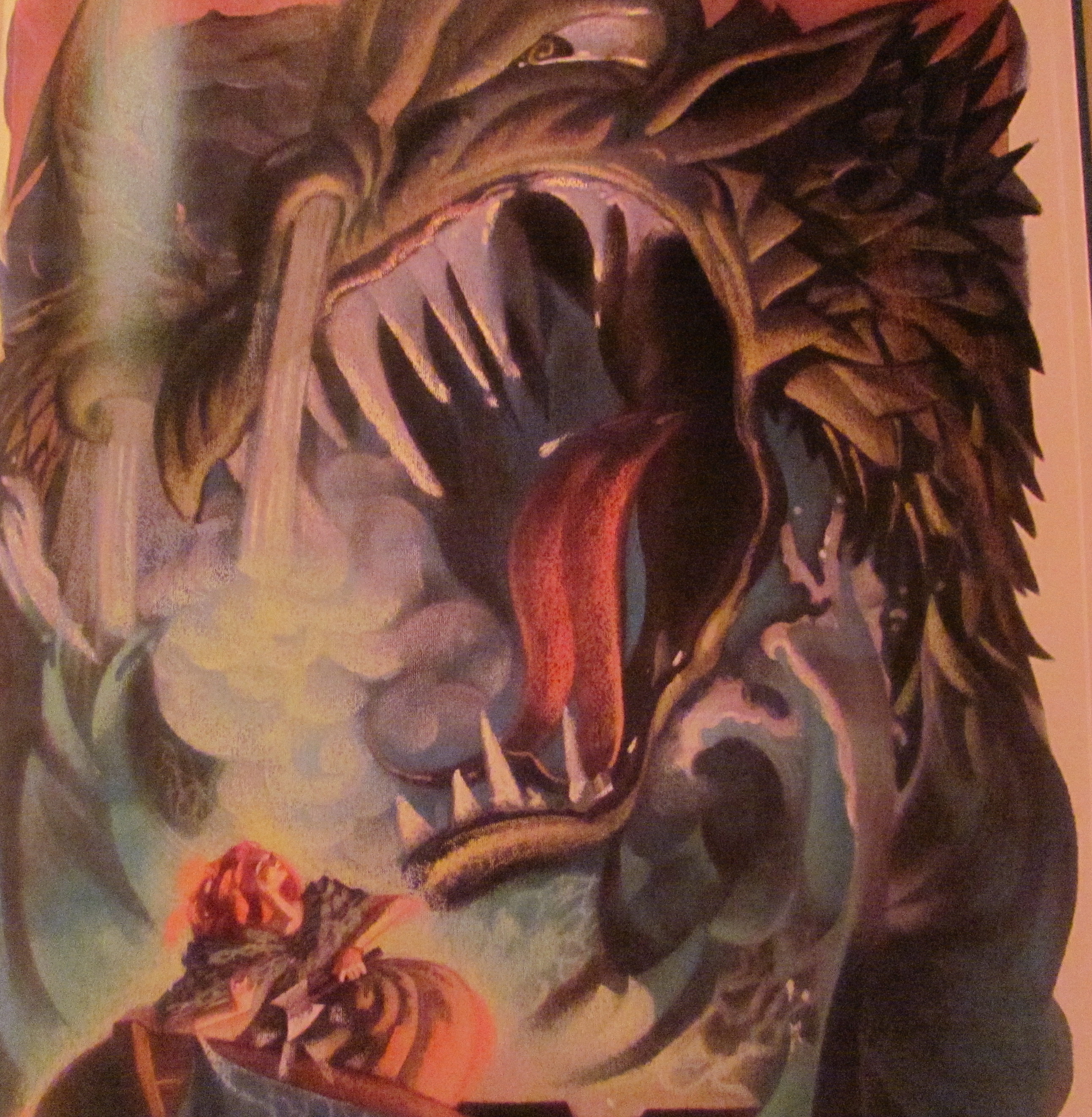
Brave Margaret is one of the best kids books I’ve come across. It’s a Celtic fairy tale, a true adventure story– exciting and beautifully illustrated. Margaret faces stormy seas, a terrifying serpent, and a self-serving sorceress. The story is completely centered on Margaret’s journey, though it does end in a happily ever after scene with a prince. Still, Simon is a hottie (I have a soft spot for Irish men) who obviously loves and admires Margaret for her bravery and her brains which makes the story romantic enough so the ending fits. Also– I love Margaret’s look. Yes, she has long flowing hair but it’s all kinds of shades of fiery red. One of my pet peeves with children’s books is that even when there is a girl in constant action, the pictures are of the moments she happens to be stationary: smiling, hugging, sitting, whispering, or brushing her hair (this is true even if the girl characters happen to be ponies, cats, fairies, bugs etc). Not so with Brave Margaret– most illustrations are action shots: Margaret galloping on her black horse, brandishing a sword; rowing a boat on her own in the stormy sea; swinging an ax by a serpent’s mouth. My friend who recommended this book bought it at a garage sale for $1. It’s copyright is 1999. I hope it’s still available, I want to get my own copy. Please give suggestions for girl power kids books you love. They don’t have to be new.
Scooby Doo isn’t bad. I was thrilled that my daughter preferred it to all the princess moview. It’s all about solving mysteries. There are three males, one is a dog and the title charcacter. Being the title character is prime real estate and a girl character rarely wins it unless she’s a princess. Shaggy and Scooby are the stars and role model male friendship. Many kids movies are full of females who hate eachother– wicked stepmother and jealous stepsisters. Scooby Doo is your classic guy buddy movie. Velma is a strong character, the smartest of the bunch. Th eproblem is because she is smart, she seems to be unable to be attractive. daphne is obviously the hot girl– played my Sarah Michelle Gellar in the movie version, and Daphne is always worried about her hair and always wants to go shopping. The rest of the gang is often telling her to get over this and Daphne can come through with solving a riddle or saving someone from a monster. Often the wicked characters are female also. All in all, I’m pretty happy when my kids opt for Scooby Doo.


 Every parent has a book that drives her crazy, that she hopes and prays her kid will not choose yet again, that she dreads reading. For me this book is Amelia Bedilia. Worse than Eloise, the fairies, even the ponies, AB is so annoying. That’s the point of all the stories, she misunderstands– whether its how to clean a house or play baseball.